
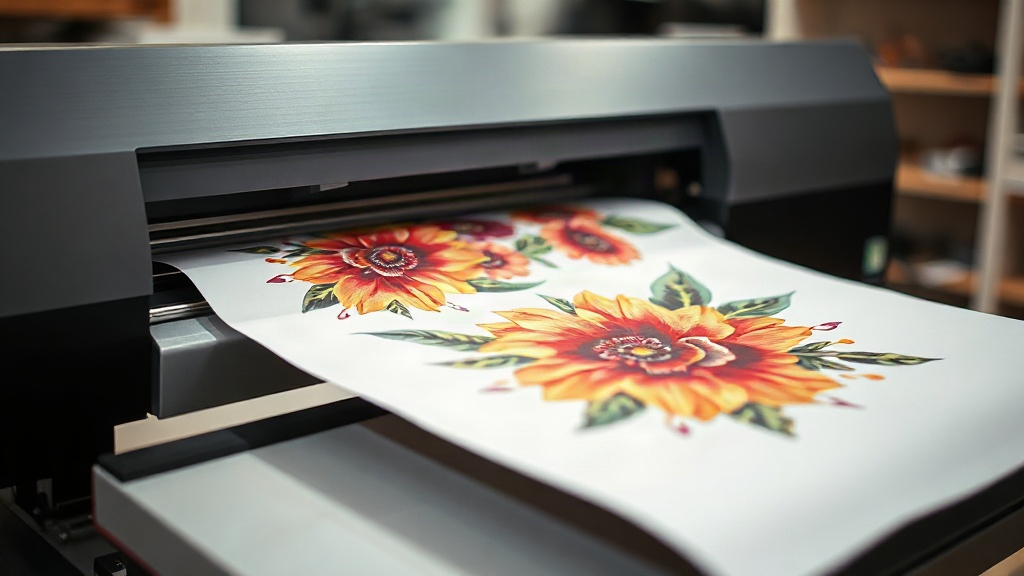
If you've been in the custom apparel game for any length of time, you've likely heard the buzz about DTF printing. It's not just another acronym; it's a game-changer that's reshaping how we approach garment decoration. But what exactly makes DTF stand out? In this guide, we'll dive deep into the world of Direct to Film printing, covering everything from the basics to advanced techniques, so you can decide if it's the right fit for your business or hobby.
What is DTF Printing?
DTF, or Direct to Film, is a printing method where your design is printed onto a special film, coated with adhesive powder, and then heat-pressed onto fabric. Unlike DTG (Direct to Garment) or screen printing, DTF doesn't require pre-treatment or specialized inks for different fabrics. It works on cotton, polyester, blends, and even tough materials like canvas and denim. The process is relatively simple: print, powder, cure, press. But don't let the simplicity fool you; the results are professional-grade, with vibrant colors and fine details that rival other methods.
How Does DTF Printing Work?
Let's break down the steps to give you a clear picture of what goes into a DTF transfer.
Step 1: Design Preparation
First, your artwork needs to be prepared in a graphics program. It's crucial to mirror the image because the film is pressed face-down onto the fabric. Ensure your design is high-resolution and in CMYK color mode for optimal results. Once ready, you'll print it onto a DTF film using a specialized printer equipped with pigment inks.
Step 2: Powder Application
After printing, while the ink is still wet, the film is sprinkled with a thermoplastic adhesive powder. This powder sticks to the ink and will later melt to bond the design to the fabric. Excess powder is shaken off, and then the film goes through a curing oven or heat press to melt the powder. This step is critical; under-curing leads to poor adhesion, while over-curing can ruin the transfer.
Step 3: Heat Pressing
Once cured, the transfer is ready to be applied. You'll place it onto your garment and press it with a heat press at around 325°F (160°C) for 15-20 seconds with medium pressure. After pressing, allow it to cool completely before peeling off the film. The result is a soft, stretchable, and durable print that feels like part of the fabric.
Why Choose DTF Printing?
There are several compelling reasons why DTF printing has become a favorite among professionals and hobbyists alike.
- Versatility: Works on virtually any fabric, including cotton, polyester, nylon, leather, and more. No need for multiple ink sets or pre-treatment.
- Durability: When applied correctly, DTF transfers withstand repeated washing without fading, cracking, or peeling.
- Detail and Color: Achieve photorealistic images with fine gradients and vibrant colors that pop.
- Cost-Effective: Low setup costs compared to screen printing, making it ideal for short runs and one-offs.
- Speed: Once you have your workflow down, you can produce transfers quickly, especially for small orders.
Common Challenges and How to Overcome Them
Like any printing method, DTF has its quirks. Here are some common issues and solutions.
Adhesion Problems
If your transfer peels off after washing, it's likely due to insufficient powder or improper curing. Ensure you apply an even coat of powder and cure it thoroughly. Also, check your heat press settings: too little pressure or time can cause weak bonding.
Color Fading
Fading can occur if the transfer is over-pressed or if low-quality inks are used. Use reputable DTF inks and follow the recommended pressing parameters. Also, washing garments inside out in cold water helps preserve the print.
Film Sticking
Sometimes the film sticks to the garment after pressing. This usually happens if you peel while hot. Always wait for the transfer to cool completely before peeling. If it still sticks, try using a Teflon sheet or parchment paper between the press and the film.
DTF vs. Other Printing Methods
How does DTF stack up against DTG, screen printing, and vinyl? Let's compare.
- DTG: Great for cotton, but requires pre-treatment and can be less durable on synthetics. DTF wins on versatility.
- Screen Printing: Cost-effective for large orders but expensive for small runs and limited colors. DTF excels in short runs and full-color designs.
- Vinyl: Ideal for simple designs but limited in detail. DTF handles complex artwork with ease.
Expert Tips for Perfect DTF Transfers
Want to elevate your DTF game? Here are some pro tips.
- Invest in a quality printer: A reliable DTF printer with good ink flow and resolution is key. Don't skimp here.
- Use high-quality film and powder: Cheap supplies can lead to inconsistent results. Stick with trusted brands.
- Calibrate your heat press: Regularly check temperature and pressure with a laser thermometer and pressure gauge.
- Test, test, test: Before a big order, do a test press on the same fabric to dial in settings.
- Store transfers properly: Keep unused transfers in a cool, dry place away from direct sunlight to prevent premature curing.
Frequently Asked Questions About DTF Printing
Can I use DTF on dark garments?
Absolutely! DTF printing works beautifully on dark fabrics. The white ink layer in the transfer provides a bright base, making colors pop. Just ensure your design includes a white underbase if needed.
How long do DTF transfers last?
With proper application and care, DTF transfers can last as long as the garment itself. Expect 50+ washes without significant fading or cracking. Following washing instructions (inside out, cold water, no bleach) will maximize longevity.
Do I need a special printer for DTF?
Yes, you need a printer designed for DTF printing, which uses pigment inks and often has a white ink channel. You can convert some inkjet printers, but dedicated DTF printers yield better reliability and results.
Is DTF printing cost-effective for small businesses?
Definitely. The low setup cost and ability to print one-offs make DTF ideal for small businesses, crafters, and startups. You can offer custom designs without minimum order quantities.
What fabrics work best with DTF?
DTF adheres well to cotton, polyester, blends, and even leather and canvas. It's one of the most versatile methods available. However, for stretchy fabrics like spandex, ensure the transfer is also stretchable to avoid cracking.