
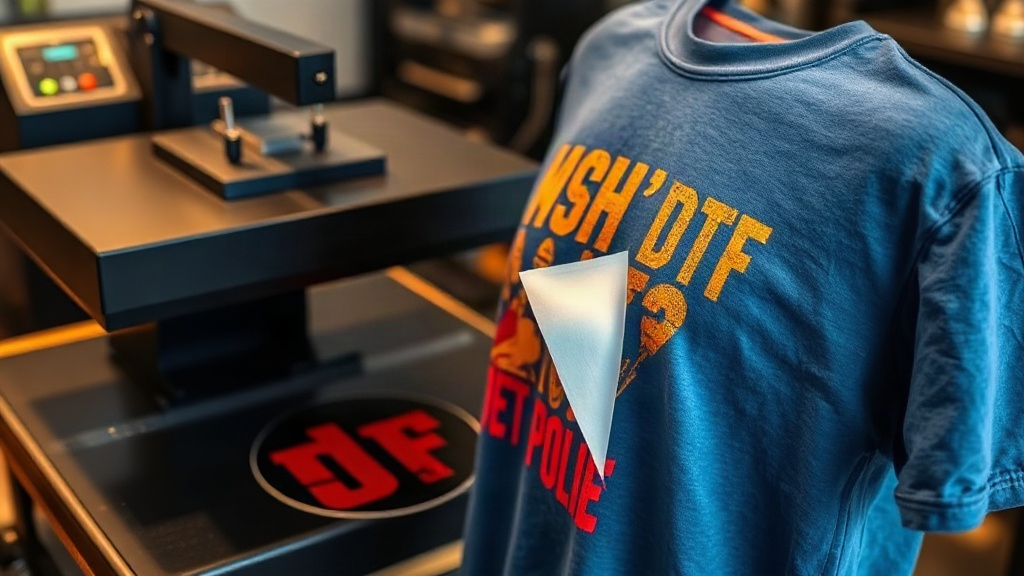
If you've been exploring custom apparel printing, you've likely encountered the term DTF. Short for Direct-to-Film, this technology has quickly become a favorite among print shops, crafters, and DIY enthusiasts. But what exactly is DTF printing, and why is it causing such a buzz? In this comprehensive guide, we'll dive deep into the world of DTF transfers, covering everything from the basic process to advanced tips. Whether you're a seasoned pro or just starting out, understanding DTF can open up a world of possibilities for your designs.
What is DTF Printing?
DTF stands for Direct-to-Film. It's a printing method where your design is printed onto a special film, coated with a heat-activated adhesive powder, and then transferred onto fabric using a heat press. Unlike DTG (Direct-to-Garment) or screen printing, DTF doesn't require pre-treatment of the fabric or specialized equipment beyond a printer and a heat press. This makes it accessible and versatile.
The DTF Process Step by Step
Let's break down the DTF process into manageable steps:
- Design Preparation: Create your artwork in a graphics program. Remember to mirror the image if your printer software doesn't do it automatically.
- Printing: Use a DTF printer with DTF inks (usually CMYK plus white) to print onto a PET film. The white ink layer is crucial for opacity on dark fabrics.
- Powdering: While the ink is still wet, apply a thermoplastic adhesive powder evenly over the printed film. Shake off excess.
- Curing: Melt the powder using a heat source, such as a heat press or oven, until it becomes glossy. This activates the adhesive.
- Transfer: Place the film onto your fabric and press with a heat press at the recommended temperature and time. Once cooled, peel off the film.
Each step requires attention to detail, but the learning curve is relatively gentle. Many beginners achieve professional results after a few tries.
Why Choose DTF Transfers?
DTF transfers offer several advantages over other printing methods:
- Versatility: Works on a wide range of fabrics, including cotton, polyester, blends, and even leather. No need for different inks or pre-treatment.
- Durability: When applied correctly, DTF prints are stretchable, crack-resistant, and withstand repeated washing.
- Vibrancy: The white ink base allows for bright, opaque colors on dark garments, something DTG struggles with.
- Cost-Effective for Small Batches: No screens or plates needed, making short runs economical.
- Detail Retention: High-resolution prints capture fine lines and gradients beautifully.
These benefits make DTF a go-to for custom t-shirts, tote bags, hoodies, and more.
DTF vs. Other Printing Methods
How does DTF stack up against DTG, screen printing, and vinyl?
DTF vs. DTG
DTG prints directly onto the garment, requiring pre-treatment and typically works best on 100% cotton. DTF transfers can be used on almost any fabric and don't need pre-treatment. DTG may have a softer feel, but DTF offers better opacity on dark colors and greater durability.
DTF vs. Screen Printing
Screen printing is cost-effective for large orders but requires setup for each color. DTF excels for small batches and complex designs with many colors, as there's no per-color cost. However, for very large runs, screen printing might be cheaper per unit.
DTF vs. Vinyl
Heat transfer vinyl (HTV) is great for simple shapes and text but limited in color gradients and fine details. DTF can reproduce full-color images with photographic quality. Vinyl may be more durable for single-color designs, but DTF is more versatile.
Getting Started with DTF Printing
Ready to try DTF? Here's what you need:
- DTF Printer: Options range from converted Epson printers to dedicated DTF machines. Brands like Vivid, Mutoh, and Roland offer reliable models.
- DTF Inks: Purchase high-quality DTF inks specifically formulated for your printer.
- PET Film: Use film designed for DTF; it must handle the ink and powder.
- Adhesive Powder: Thermoplastic powder (TPU) is common. Choose fine or medium grade based on your needs.
- Heat Press: A commercial heat press with precise temperature and pressure control is essential.
- Curing Oven (optional): For larger operations, a curing oven speeds up powder melting.
Start with a small setup and scale as you grow. Many suppliers offer starter kits.
Tips for Perfect DTF Transfers
To achieve professional results, keep these tips in mind:
- Maintain Your Printer: Regular cleaning and maintenance prevent clogs and ensure consistent output.
- Control Humidity: DTF inks and powder are sensitive to moisture. Work in a controlled environment.
- Test Your Settings: Every heat press and fabric behaves differently. Always do a test press to dial in temperature, pressure, and time.
- Use Quality Supplies: Cheap film or powder can lead to failures. Invest in reputable brands.
- Store Transfers Properly: Keep unused transfers in a cool, dry place to prevent premature curing.
With practice, you'll develop a feel for what works best.
Common DTF Problems and How to Fix Them
Even experienced users encounter issues. Here are some common problems and solutions:
Ink Cracking or Fading After Wash
This usually indicates under-curing of the powder or insufficient pressure during transfer. Increase curing time/temperature and ensure even pressure.
Powder Not Sticking
Excess moisture or too little powder can cause this. Ensure the film is dry before powdering and apply a generous, even coat.
Transfer Peeling Off
Improper peeling (hot vs. cold peel) or insufficient pressure. Check your film's instructions and adjust.
Clogged Printhead
Regular cleaning cycles and using fresh ink prevent clogs. If clogged, run cleaning cycles or use a cleaning cartridge.
Frequently Asked Questions About DTF Printing
What fabrics can I use with DTF transfers?
DTF transfers work on cotton, polyester, blends, nylon, leather, and more. They adhere well to both light and dark materials.
How long do DTF prints last?
With proper application and care, DTF prints can last 50+ washes without significant fading or cracking.
Do I need a special printer for DTF?
Yes, you need a printer that uses DTF inks and can handle PET film. Many convert Epson printers, but dedicated DTF printers are also available.
Can I use DTF on 100% polyester?
Absolutely. DTF is excellent on polyester, even high-performance fabrics, without dye migration issues common with other methods.
Is DTF printing profitable?
Yes, especially for small to medium orders. Low setup costs and versatility make it a profitable venture for many print shops.
DTF printing is a game-changer in the custom apparel industry. Its ability to produce vibrant, durable transfers on almost any fabric with minimal setup makes it an attractive option for businesses and hobbyists alike. By mastering the process and avoiding common pitfalls, you can offer high-quality custom products that delight customers. So why not give DTF a try? With the right supplies and a bit of practice, you'll be creating stunning apparel in no time.