
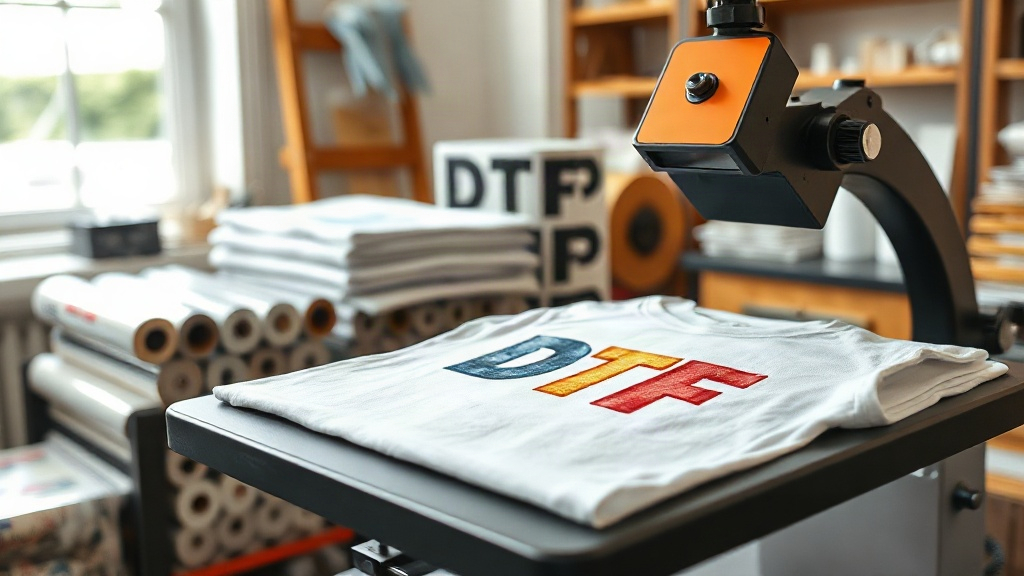
If you have been exploring custom apparel printing, you have likely heard about DTF Transfers. This technology has quickly become a favorite among crafters and small business owners for its versatility and ease of use. Unlike traditional methods that require specific fabrics or extensive setup, DTF transfers offer a straightforward way to get professional-looking prints on almost any material. In this guide, I will walk you through everything you need to know to get started, sharing insights from my own experience with DTF printing.
What Are DTF Transfers?
DTF stands for Direct to Film. It is a printing process where your design is printed onto a special PET film using water-based inks, then coated with a hot-melt adhesive powder. The film is then cured and can be stored until you are ready to apply it. When you are ready, you place the film on your fabric and apply heat and pressure with a heat press. The adhesive melts, bonding the ink to the fabric. Once the film is peeled away (hot or cold peel, depending on the film), your design remains. The result is a soft, stretchable print that withstands washing and wear.
Why Choose DTF Transfers Over Other Methods?
There are several reasons why DTF has gained popularity. First, it works on a wide range of fabrics: cotton, polyester, blends, and even treated nylon. You are not limited to 100% cotton like with DTG or certain vinyls. Second, DTF transfers allow for full-color designs with fine details and gradients, without the need for color separation or multiple screens. Third, the setup cost is low; you do not need a screen or a dedicated printer for each color. A single DTF printer can produce complex designs on demand. Finally, DTF prints are durable and stretch with the fabric, making them ideal for activewear.
How to Apply DTF Transfers: Step by Step
Applying a DTF transfer is straightforward, but following the correct steps ensures a long-lasting result. Here is the process I use in my shop.
Step 1: Prepare Your Workspace
Set your heat press to the recommended temperature, usually between 300°F and 325°F (150°C to 160°C). Prepress your garment for a few seconds to remove moisture and wrinkles. This step is crucial because moisture can interfere with adhesion.
Step 2: Position the Transfer
Place the DTF transfer on the garment with the printed side facing up. If your transfer has a white backing, that side goes against the fabric. Use heat-resistant tape if needed to keep it in place.
Step 3: Press
Apply medium to firm pressure for 10 to 15 seconds. The exact time depends on your film and press. I recommend testing with a scrap piece first. After pressing, you can either peel the film hot (while still warm) or cold (after it cools completely). Most modern films are cold peel, but always check the instructions.
Step 4: Post-Press (Optional)
For extra durability, some printers recommend a second press with a cover sheet for 5 to 10 seconds. This helps the adhesive fully set.
Choosing the Right DTF Transfer Supplies
Not all DTF films and powders are created equal. The quality of your supplies directly affects the vibrancy and washability of your prints. Look for films that are designed for your printer type (e.g., for Epson or Ricoh). The powder should be a fine, consistent mesh, typically 80 to 100 microns. Cheaper powders can lead to clogged nozzles or poor adhesion. I also recommend using a quality heat press with accurate temperature control; a difference of 10 degrees can make or break the transfer.
Common Mistakes to Avoid with DTF Transfers
Even experienced users make mistakes. Here are some pitfalls I have encountered and how to avoid them.
- Insufficient pressure: If the transfer peels off after washing, it is likely due to low pressure. Increase the pressure and ensure your press is properly calibrated.
- Wrong peel timing: Peeling too early or too late can cause the design to crack or leave adhesive residue. Follow the film's instructions precisely.
- Over-stretching: While DTF prints stretch, excessive stretching during application can distort the design. Keep the garment flat.
- Incompatible fabrics: DTF works on many fabrics, but highly textured or coated fabrics may require special handling. Test first.
DTF Transfers vs. Other Printing Methods
How does DTF compare to DTG, screen printing, and vinyl? DTG is great for cotton but requires pretreatment and can be expensive for small runs. Screen printing is cost-effective for large orders but has setup costs and limited colors. Vinyl is durable but only works for simple designs and solid colors. DTF sits in the middle: it offers full-color, detailed prints without setup, works on various fabrics, and is cost-effective for short runs. However, DTF may not match the softness of DTG on cotton or the longevity of screen printing on heavy use items. Choose based on your specific needs.
Frequently Asked Questions About DTF Transfers
How long do DTF transfers last?
With proper application and care, DTF transfers can last as long as the garment itself. Wash inside out in cold water and avoid bleach and high heat in the dryer to maximize longevity.
Can I use DTF transfers on dark colors?
Yes, DTF transfers include a white ink layer that makes them opaque on dark fabrics. This is one of their biggest advantages over DTG, which often requires a white underbase.
Do I need a special printer for DTF?
You can convert an Epson or Ricoh printer to use DTF inks, or buy a dedicated DTF printer. Many beginners start with a converted printer and upgrade as they grow.
What is the best temperature for pressing DTF transfers?
Most DTF transfers press at 300-325°F (150-160°C) for 10-15 seconds. Always check the instructions from your film supplier, as formulations vary.
Can I stretch DTF prints?
DTF prints are stretchable and can be stretched up to 50% without cracking, making them suitable for activewear and stretchy fabrics.
DTF transfers have opened up new possibilities for custom apparel. With a little practice, you can achieve vibrant, durable prints that impress your customers. Remember to start with quality supplies, follow the correct application steps, and avoid common mistakes. Whether you are a hobbyist or a business owner, DTF is a valuable addition to your printing toolkit. For more tips and in-depth guides, visit dtfinsider.com.