
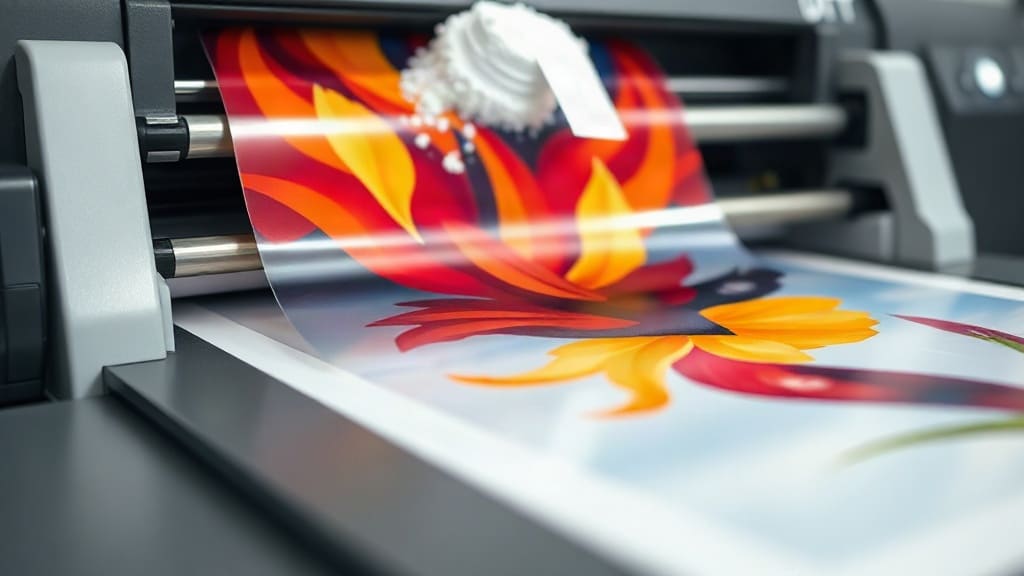
If you’ve been searching for a versatile and cost-effective way to create custom apparel, DTF transfers are likely on your radar. This printing method has taken the industry by storm, offering a simpler alternative to traditional screen printing while delivering vibrant, durable results. Whether you’re a small business owner, a hobbyist, or someone curious about the latest in custom printing, this guide will walk you through everything you need to know about DTF transfers.
What Are DTF Transfers?
DTF transfers (Direct to Film) are a printing process where a design is printed onto a special PET film using a DTF printer, then transferred to fabric using a heat press. Unlike Direct to Garment (DTG) printing, which prints directly onto the shirt, DTF prints onto a film first, giving you the flexibility to apply the transfer to various materials, including cotton, polyester, blends, and even some hard surfaces.
The process involves printing a mirror image of your design onto the film, applying a powdered adhesive (often called hot melt powder) to the wet ink, and then curing the powder. The result is a ready-to-press transfer that can be stored and used whenever you need it.
Key Benefits of DTF Transfers
Why have DTF transfers become so popular? Here are some of the standout advantages:
- Versatility: You can print on a wide range of fabrics and materials, including dark and light colors, without needing a pretreatment.
- Durability: DTF prints are highly stretchable and can withstand repeated washing without cracking or fading.
- Soft Hand Feel: The adhesive layer creates a print that feels soft to the touch, not heavy or plastic-like.
- Cost-Effective for Small Runs: There’s no minimum order, making it perfect for on-demand printing.
- Ease of Use: Once you have the equipment, the process is straightforward and requires minimal training.
DTF Transfers vs. Other Methods
To truly appreciate DTF transfers, it helps to compare them with other popular printing methods:
DTF vs. Screen Printing
Screen printing is excellent for large orders with simple designs, but it’s not practical for small quantities or photorealistic images. DTF transfers shine when you need detailed, full-color prints without the hassle of screen setup.
DTF vs. DTG
DTG printing is great for soft prints on 100% cotton, but it requires a pretreatment for dark garments and is slower for production. DTF transfers work on a wider range of fabrics and can be applied quickly, making them a favorite for businesses that print on polyesters and blends.
DTF vs. Vinyl (HTV)
Heat transfer vinyl (HTV) is limited to cut designs with solid colors. DTF transfers allow for full-color gradients, photos, and intricate details, giving you far more creative freedom.
How to Apply DTF Transfers: Step-by-Step
Applying DTF transfers is a simple process that yields professional results. Here’s a step-by-step guide:
- Preheat your heat press to around 320°F (160°C).
- Place the garment on the press and smooth out any wrinkles. Preheat it for a few seconds to remove moisture.
- Position the transfer with the film side up (adhesive side down) on the garment.
- Press with medium to firm pressure for about 10-15 seconds. The exact time may vary, so check your transfer manufacturer’s recommendations.
- Peel the film either hot or cold, depending on the type. Some films are designed for hot peeling, while others require cooling. If unsure, do a cold peel to be safe.
- Re-press briefly with a protective sheet (like parchment paper) for a few seconds to ensure the adhesive bonds well.
And that’s it! Your custom print is ready.
Tips for Perfect DTF Transfers Every Time
To get the best results from your DTF transfers, keep these pro tips in mind:
- Use high-quality films and inks: Cheap materials can lead to poor adhesion or fading.
- Shake the powder well: Ensure the adhesive powder is evenly distributed to avoid patchy prints.
- Cure the powder properly: Under-curing can cause the adhesive to flake off, while over-curing can make it brittle.
- Test on a sample fabric: Before pressing on your final garment, do a test run to adjust time and temperature.
- Handle the transfer with care: Avoid touching the adhesive side too much, as oils from your skin can affect adhesion.
Common Mistakes and How to Avoid Them
Even experienced printers can run into issues. Here are some common pitfalls with DTF transfers and how to fix them:
Print Cracking
Cracking usually happens when the adhesive isn’t fully cured or when the ink is applied too thick. Make sure you cure the powder at the right temperature for the right duration.
Adhesion Problems
If the transfer peels off after washing, it’s often due to low pressure or insufficient heat. Ensure your press is applying even, firm pressure and that the temperature is accurate.
Print Looking Dull
A dull print might be the result of using low-quality ink or not shaking the powder well. Invest in reputable supplies and give the powder a good shake before applying.
Applications of DTF Transfers
DTF transfers are incredibly versatile. Here are just a few ways you can use them:
- Custom T-shirts and hoodies for events, teams, or businesses.
- Sportswear with vibrant designs on polyester jerseys.
- Workwear with durable logos and names.
- Tote bags, caps, and other accessories as long as they can withstand the heat press.
- Personalized gifts for birthdays, holidays, or just because.
Frequently Asked Questions About DTF Transfers
Can DTF transfers be used on any fabric?
Yes, DTF transfers work on a wide range of fabrics, including cotton, polyester, nylon, and blends. They also adhere well to materials like canvas and leather, but always test on a sample first.
How long do DTF prints last?
With proper application and care, DTF prints can last as long as the garment itself. They are resistant to cracking and peeling, and they hold up well to repeated washing, especially when washed inside out in cold water.
Do I need special equipment for DTF transfers?
To create your own transfers, you’ll need a DTF printer, specialized inks, adhesive powder, and a heat press. However, you can also purchase pre-made DTF transfers from suppliers and simply press them, making it accessible even without a printer.
Can DTF transfers be applied to dark garments?
Absolutely. Unlike some other methods, DTF doesn’t require a white underbase. You simply print your design with a white layer if needed, and it will pop on dark colors.
Are DTF transfers eco-friendly?
DTF printing is relatively water-efficient compared to screen printing, as it doesn’t require washing screens. However, the use of PET film and adhesive powders means it’s not completely waste-free. Always dispose of waste properly and consider using eco-friendly film options if available.
Final Thoughts
DTF transfers have revolutionized the custom printing industry by offering an affordable, versatile, and high-quality solution for businesses and hobbyists alike. Whether you’re just starting out or looking to expand your services, understanding this technique will open up a world of possibilities. With the right equipment and a bit of practice, you’ll be producing stunning, durable prints that your customers will love.