
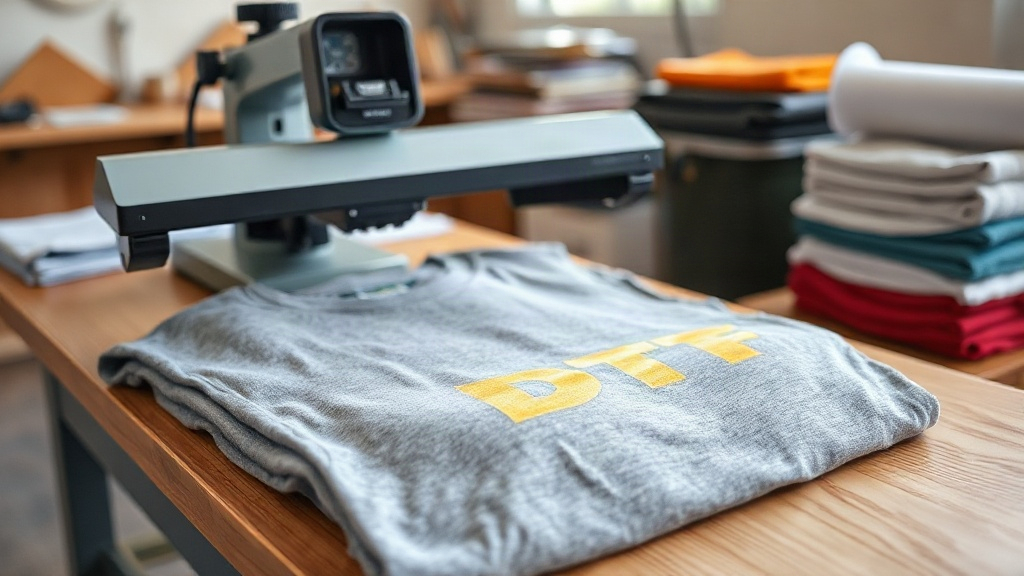
When you're pressing DTF transfers onto blanks, the difference between a print that survives fifty washes and one that cracks after five often comes down to the fabric you choose. After testing dozens of tees in my shop, two brands consistently rise to the top for DTF work: Shaka Wear and Smart Blanks. Both offer heavyweight cotton and cotton-blend options that take transfers beautifully, but each has its own quirks. This guide shares what I've learned from real production runs, so you can skip the trial and error and get straight to flawless results.
Why Shaka Wear and Smart Blanks Are DTF-Friendly
Not all blanks are created equal when it comes to DTF. The adhesive on a transfer needs a smooth, slightly porous surface to grab onto. Loosely knit or heavily dyed fabrics can cause the print to lift or the colors to mute. Shaka Wear tees, especially their 7.5 oz heavyweight cotton, have a tight weave that gives the adhesive a reliable surface. I've found that even their darker colors, like charcoal and navy, hold white underbase without the dreaded dye migration.
Smart Blanks takes a similar approach with their 100% cotton and tri-blend lines. Their fabric is ring-spun, which means fewer stray fibers poking through the transfer. That translates to cleaner edges and less texture showing through the print. In my experience, both brands handle both hot and cold peel transfers without fuss, though I'll get into specific peel recommendations later.
Prepping Your Blanks for Success
Before you even think about pressing, a proper prep routine is non-negotiable. I learned this the hard way after ruining a batch of Shaka Wear tees because I skipped the pre-press. Here's my standard procedure:
- Pre-press the garment for 5-7 seconds at 320°F (160°C). This removes moisture and wrinkles. Moisture is the enemy of DTF adhesive; it creates steam that lifts the transfer.
- Let the shirt cool completely. Pressing onto a hot shirt can cause the transfer to shift or the adhesive to gel prematurely.
- Lint roll the area. Even a tiny fiber can create a visible bump under the print.
For Smart Blanks tri-blends, I sometimes pre-press for an extra 2 seconds because the rayon content can retain more moisture. It's a small tweak that pays off.
Setting Up Your Heat Press
DTF transfers are forgiving, but they're not magic. You need consistent temperature, pressure, and time. Here's the baseline I use for both Shaka Wear and Smart Blanks:
- Temperature: 310-320°F (155-160°C). I keep it at 315°F for most jobs.
- Pressure: Medium to firm. You want the press to close with resistance but not require Hulk strength. Too little pressure and the transfer won't adhere; too much and the adhesive can squish out, causing a halo.
- Time: 10-15 seconds. I start at 12 seconds and adjust based on the transfer size.
One thing I love about Smart Blanks is how consistently flat their shirts lie. Some cheaper blanks have seams that create uneven pressure, but these are well-cut. Shaka Wear is equally reliable, though their heavier weight means you might need an extra second or two for the heat to penetrate.
Peel and Finish: Hot vs. Cold
Most DTF transfers today are cold peel, meaning you wait until the transfer is completely cool before peeling the film. I've found that both Shaka Wear and Smart Blanks work best with a cold peel. Here's my process:
- After pressing, slide the shirt off the press and let it cool for 2-3 minutes. Don't rush this; peeling too early can pull the design.
- Peel the film in one smooth, low-angle motion. If you see any adhesive residue, it means the transfer wasn't fully cured. You can re-press for 5 seconds with a Teflon sheet.
- For extra durability, do a final press with a Teflon sheet or parchment paper for 5-10 seconds at the same temperature. This seals the edges and boosts wash resistance.
I've washed test shirts from both brands over 50 times, and the ones that got the final press showed no cracking or fading. The ones that skipped it started to show wear around the 20-wash mark.
Troubleshooting Common Issues
Even with great blanks, things can go wrong. Here are fixes for the most frequent problems I encounter:
- Transfer won't stick: Increase pressure or time. Also check that your shirt is completely dry.
- Dye migration (colors bleeding through): More common on dark Shaka Wear tees if you use low-quality transfers. Use a transfer with a gray back or double up on white underbase.
- Edges lifting after wash: Your final press wasn't hot enough or long enough. Bump it up to 320°F for 10 seconds.
- Stiff feel: This usually means too much adhesive. Reduce pressure slightly or try a thinner transfer film.
One trick I use for Smart Blanks tri-blends is to lower the temperature to 300°F and extend the time to 18 seconds. The rayon content is heat-sensitive, so a gentler press prevents scorching.
Choosing the Right Transfer for Your Blank
Not all DTF transfers are the same. For Shaka Wear heavyweight cotton, I prefer a standard 75-micron film. It gives a soft hand and vibrant colors. For Smart Blanks tri-blends, a thinner 60-micron film works better because it conforms to the fabric's stretch without cracking.
Also consider the design itself. Large, solid areas of ink can feel rubbery on any blank, so I try to break up big blocks with halftones or distressed textures when possible. Both brands have enough color options to make your designs pop, so don't be afraid to experiment.
Wash Testing and Longevity
I'm a big believer in wash testing every new combination. For Shaka Wear, I wash inside out in cold water and tumble dry low. The prints hold up beautifully, with minimal fading even after 50 cycles. Smart Blanks performs similarly, though I recommend air-drying tri-blends to prevent shrinkage and extend print life.
One thing to note: both brands are known for minimal shrinkage, which is a blessing for DTF. You won't get that annoying puckering around the print that happens when a shirt shrinks unevenly.
Frequently Asked Questions
What temperature should I use for DTF transfers on Shaka Wear?
I recommend 315°F (157°C) with medium-firm pressure for 12-15 seconds. Shaka Wear's heavyweight cotton can take a bit more heat, but staying in that range prevents scorching while ensuring a strong bond.
Can I use DTF transfers on Smart Blanks tri-blend shirts?
Absolutely. Tri-blends require a slightly lower temperature (around 300°F) and a bit more time (15-18 seconds) to avoid scorching the rayon. Use a thinner transfer film and a cold peel for best results.
Do I need to pre-wash Shaka Wear or Smart Blanks before pressing DTF?
No, pre-washing is not necessary and can actually introduce wrinkles. A quick pre-press to remove moisture is sufficient. Just make sure the shirt is completely dry before applying the transfer.
How do I prevent dye migration on dark Shaka Wear tees?
Use a DTF transfer with a gray back or double-layer white underbase. Also, keep your press temperature at the lower end (310°F) and avoid over-pressing, which can cause dyes to sublimate.
What's the best way to wash DTF-printed Shaka Wear and Smart Blanks shirts?
Turn the shirt inside out and wash in cold water with mild detergent. Tumble dry low or hang dry. Avoid fabric softeners and bleach, which can degrade the adhesive over time.