
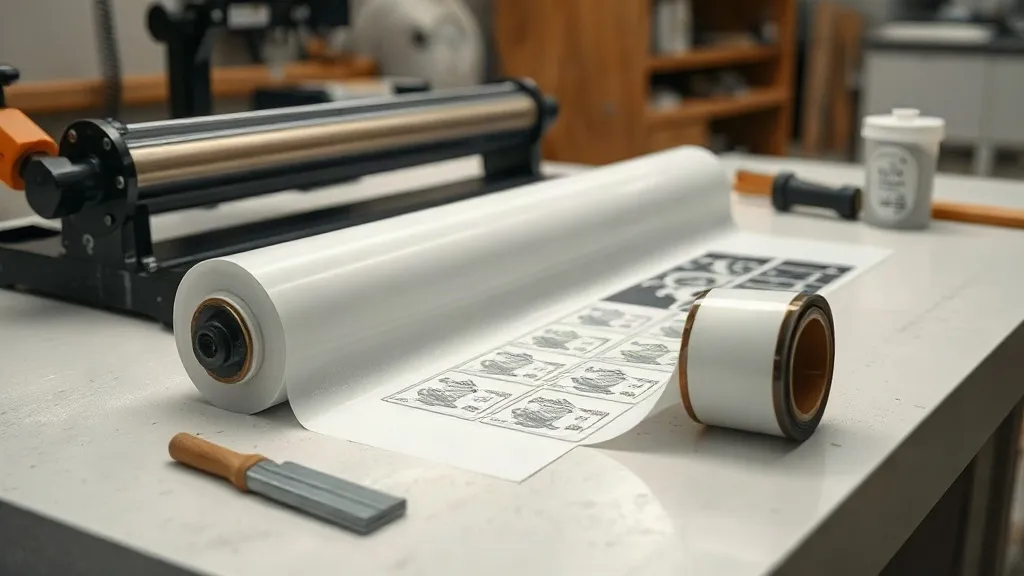
When you dive into the world of DTF printing, the DTF Gangsheet quickly becomes your canvas. But here’s the catch: even the most meticulously arranged gangsheet can fail if the film isn’t up to the task. Film selection is often overlooked, yet it dictates everything from ink adhesion to the final stretchability of your transfer. In this guide, we’ll cut through the noise and help you choose the right film for your gangsheet, based on real-world experience and industry know-how.
Why Film Choice Matters for Your DTF Gangsheet
Think of DTF film as the foundation of your print. It’s not just a carrier for ink; it’s a critical component that affects how the ink cures, how the powder adheres, and how the transfer behaves on fabric. A poor film can lead to ink spreading, powder scattering, or transfers that crack after a few washes. On the flip side, the right film ensures crisp details, vibrant colors, and durable results. So before you build your next gangsheet, take a moment to understand the film options available.
Types of DTF Film: Which One Fits Your Gangsheet?
DTF film comes in two main types: cold peel and hot peel. Each has its own strengths and quirks, and the choice depends on your workflow and the fabrics you’re working with.
Cold Peel Film
Cold peel film requires the transfer to cool completely before you peel off the carrier sheet. This slower process often yields a smoother, more matte finish. It’s a favorite for intricate designs because the ink has time to settle, reducing the risk of distortion during peeling. However, the wait time can slow down production, especially if you’re running a high-volume shop.
Hot Peel Film
Hot peel film allows you to remove the carrier sheet while the transfer is still hot, right after pressing. This speeds up the workflow and is ideal for large orders or when you’re pressing multiple items in quick succession. The catch? Hot peel films can be less forgiving; if your press isn’t evenly heated or your pressure is off, you might get uneven peeling or ink lift. With practice, though, hot peel becomes second nature and can significantly boost efficiency.
Key Factors to Evaluate Before Buying DTF Film
Not all films are created equal. Here’s what to look for when selecting film for your gangsheet:
- Ink Compatibility: Ensure the film is designed for DTF inks. Using the wrong film can cause ink to bead or not cure properly.
- Thickness and Hand Feel: Thicker films can be more durable but may feel stiff on the garment. Thinner films offer a softer hand but might be trickier to work with.
- Release Properties: The film should release cleanly from the carrier sheet without tearing or leaving residue.
- Powder Adhesion: A good film holds the adhesive powder evenly, preventing clumps and ensuring a consistent transfer.
- Temperature and Pressure Tolerance: Check the film’s recommended pressing parameters and ensure they align with your heat press capabilities.
Many suppliers offer sample packs, so you can test different films before committing to a bulk order. This small investment can save you from costly mistakes down the line.
How Film Affects Color Vibrancy and Detail
The film’s surface characteristics play a big role in how colors appear. A film with a slightly textured surface can hold ink better, reducing dot gain and preserving fine details. On the other hand, films that are too smooth might cause ink to pool, leading to blurry edges. If your gangsheet includes fine lines, small text, or gradients, test the film with a sample print to see how it handles those elements. You’ll often find that mid-range films offer the best balance of cost and performance for detailed work.
Common Film Mistakes That Ruin a Gangsheet
Even experienced printers can slip up when they switch films or try to cut costs. Here are a few pitfalls to avoid:
- Using expired film: Film has a shelf life; expired film may not adhere properly or release cleanly.
- Storing film in humid conditions: Moisture can affect the film’s coating, leading to inconsistent results.
- Mismatching film and powder: Not all powders work well with all films; stick to the supplier’s recommendations.
- Ignoring press settings: Each film has specific temperature, pressure, and time requirements. Always follow the datasheet.
By being mindful of these factors, you’ll extend the life of your film and maintain consistent quality across your gangsheets.
Testing and Storing Your Film for Longevity
Before you commit to a new film, run a test gangsheet with a variety of designs, including small text, large blocks of color, and fine lines. Press the transfers onto different fabrics (cotton, polyester, blends) and evaluate after a few washes. This hands-on testing reveals how the film performs in real conditions. As for storage, keep film in a cool, dry place, away from direct sunlight. Unopened rolls can last up to a year, but once opened, try to use them within a few months to avoid degradation.
Frequently Asked Questions
Can I use any DTF film with my printer?
Not necessarily. DTF films are formulated to work with specific ink sets. Using a film that’s incompatible with your ink can lead to poor adhesion, clogging, or faded colors. Always check the film’s specifications and consult your ink supplier if unsure.
How do I know if my film is expired?
Expired film often appears yellowed or has a sticky feel. It may also not release cleanly from the carrier sheet. If you notice these signs, discard the film. Always note the manufacturing date on the packaging and use within the recommended timeframe.
What’s the difference between cold peel and hot peel film in terms of durability?
Durability depends more on the ink and powder combination than on the peel type. However, cold peel films can sometimes produce a slightly more flexible transfer because the ink cools gradually, reducing stress on the film. Hot peel films are equally durable if applied correctly.
Can I reuse DTF film?
No, DTF film is designed for single use. Once the transfer is peeled, the film is no longer usable. Attempting to reuse it will result in poor adhesion and likely ruin your garment.
How does film thickness affect the feel of the transfer?
Thicker films tend to have a stiffer hand, which might be noticeable on lightweight fabrics. Thinner films offer a softer feel but can be more challenging to handle during printing and powdering. Choose based on the garment type and desired hand feel.