
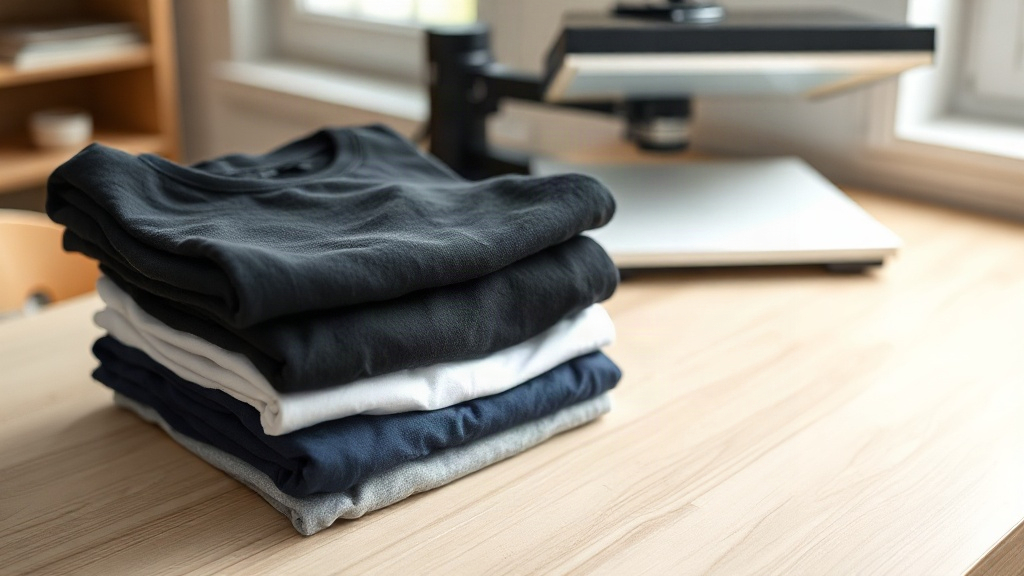
When you're creating custom apparel with DTF transfers, the garment you choose is just as important as the print itself. Smart blanks and Shaka Wear have become go-to options for both beginners and seasoned professionals, thanks to their consistent quality and compatibility with heat-applied designs. But not all blanks are created equal, and understanding the nuances can mean the difference between a print that peels after one wash and one that stays vibrant for years.
In this guide, we'll dive deep into why these blanks work so well with DTF transfers, how to select the right fabric blends, and the exact steps to achieve a flawless finish. Whether you're running a small print shop or just starting with heat press projects, these insights will save you time, money, and frustration.
Why Smart Blanks Are a Game-Changer for DTF Transfers
Smart blanks refer to garments engineered with specific fiber blends and finishes that enhance print adhesion and comfort. Unlike generic tees, they often feature tighter weave structures and optimized surface energy, which allows the DTF adhesive to bond more effectively. This translates to sharper details, better stretch recovery, and reduced cracking over time.One of the standout features of smart blanks is their consistency. When you order a batch, you're not gambling on slight variations in thickness or dye content. That reliability is crucial for DTF transfers because even minor inconsistencies can affect how the transfer adheres. For example, a shirt with uneven dye saturation might cause the transfer to look patchy after pressing.
Moreover, many smart blanks are pre-shrunk and treated with anti-pill finishes. This means your finished product won't shrink dramatically after the first wash, keeping the print aligned and intact. If you've ever pulled a shirt from the dryer only to find a wrinkled, distorted design, you know how important this is.
Key Characteristics to Look For in Smart Blanks
- Fiber composition: A blend of cotton and polyester (typically 50/50 or 60/40) offers the best of both worlds: natural feel and synthetic durability.
- Weight: 4.5 to 5.5 oz per square yard is ideal for DTF; lighter fabrics may require lower press temperatures.
- Weave: Ringspun cotton provides a smoother surface than open-end cotton, leading to better transfer detail.
- Finish: Look for pre-shrunk, anti-pill, and sometimes moisture-wicking treatments.
When you combine these traits, you get a blank that not only feels premium but also performs exceptionally under heat and pressure.
Shaka Wear: A Favorite Among DTF Enthusiasts
Shaka Wear has carved a niche in the custom apparel world with its heavyweight cotton tees that cater to streetwear and urban styles. Their garments are known for a boxy fit, tight knit, and substantial hand feel. But how do they fare with DTF transfers? Surprisingly well, provided you adjust your technique.
Shaka Wear tees are typically 100% cotton, which can be a double-edged sword. On one hand, cotton offers excellent breathability and a soft touch. On the other, it can be less forgiving with DTF if not pre-treated properly. The key is to use a high-quality DTF powder and ensure your press settings are dialed in. Many users report that Shaka Wear's tight weave actually helps the transfer sit flush, reducing the chance of air pockets.
Another advantage is their color range. From classic black and white to heather grey and navy, these blanks provide a versatile canvas for vibrant DTF prints. The opacity of the transfer really pops against darker fabrics, making them a popular choice for bold graphics.
Best Shaka Wear Styles for DTF Printing
- Shaka Wear SHMHLS: A heavyweight cotton tee that holds up well to repeated washing.
- Shaka Wear SHASS: A lighter option for warm climates, still DTF-friendly with proper settings.
- Shaka Wear SHGD: A garment-dyed tee that offers a vintage look; pre-test to ensure colorfastness.
Always check the manufacturer's recommendations for heat press temperature and time. Shaka Wear generally suggests 300°F for 10-15 seconds, but this can vary based on the DTF film and powder you use.
Mastering DTF Transfers on Smart Blanks and Shaka Wear
Getting a professional result requires more than just good blanks. The DTF transfers process involves several steps: printing, powdering, curing, and pressing. Each stage impacts the final outcome. Let's break down the best practices for smart blanks and Shaka Wear.
Step 1: Prepare Your DTF Transfer
Start with a high-resolution image and print it onto DTF film using a dedicated DTF printer. After printing, apply hot melt adhesive powder evenly across the wet ink. Shake off excess powder and cure the film in an oven or with a heat gun until the powder gels. This step is critical; under-cured powder leads to poor adhesion, while over-curing can cause the film to warp.
Step 2: Pre-Press the Garment
Pre-pressing removes moisture and wrinkles from the fabric, creating a smooth surface. For smart blanks, a quick 5-second press at 300°F is usually sufficient. Shaka Wear tees, being heavier, may need 7-10 seconds to ensure all moisture is evaporated. Skipping this step is a common mistake that results in uneven transfer.
Step 3: Position and Press
Place the DTF transfer on the garment with the adhesive side down. Use medium to firm pressure (around 40-60 PSI) and press at 300-325°F for 10-15 seconds. For smart blanks with polyester content, lower the temperature to 280-300°F to avoid scorching. Shaka Wear's cotton can handle higher heat, but always test with a scrap piece first.
After pressing, wait for the transfer to cool completely before peeling. Cold peel is standard for DTF, as it allows the adhesive to set fully. Peeling while hot can cause the design to lift or stretch.
Step 4: Post-Press for Durability
For added longevity, especially on stretchy fabrics, apply a second press for 5 seconds using a Teflon sheet or parchment paper. This further embeds the transfer into the fibers. Avoid ironing directly over the print; if needed, iron inside out.
Common Pitfalls and How to Avoid Them
Even with the best blanks and transfers, mistakes happen. Here are some issues you might encounter and their solutions.
- Transfer peeling after wash: Likely due to insufficient pressure or under-cured powder. Increase pressure and ensure powder is fully melted.
- Faded or dull colors: Could be from too high heat or pressing for too long. Reduce temperature and time.
- Cracking along seams: Common on 100% cotton; try a stretchable DTF film or blend blanks.
- Adhesive residue on press: Use a protective sheet and clean your press regularly.
By troubleshooting systematically, you'll quickly learn the sweet spot for your specific equipment and materials.
Choosing the Right Blanks for Your Project
Not every project calls for the same blank. Consider the end use: a retail-quality tee for a fashion brand might warrant a premium smart blank, while a promotional event could use cost-effective Shaka Wear. Also, think about the design itself. Detailed, multi-color DTF transfers shine on smooth, tight-weave fabrics, whereas large block letters can work on almost any surface.
If you're new to DTF, start with a mid-weight smart blank that has a cotton-poly blend. It's forgiving and yields excellent results. As you gain confidence, experiment with 100% cotton Shaka Wear to expand your offerings.
Frequently Asked Questions
Can I use DTF transfers on 100% cotton Shaka Wear tees?
Yes, but you need to adjust your press settings. Use a lower temperature (around 300°F) and slightly higher pressure to ensure the adhesive penetrates the cotton fibers. Pre-pressing is especially important to remove moisture.
What is the best DTF powder for smart blanks?
A fine-grade, TPU-based powder works well for smart blanks because it melts evenly and creates a flexible bond. Avoid coarse powders that may not fully cure and lead to peeling.
How do I prevent the DTF transfer from stretching when the garment is worn?
Choose a blank with some elastane or polyester content, like many smart blanks. Also, use a stretchable DTF film and ensure your press pressure is consistent. Post-pressing with a Teflon sheet helps the transfer conform to the fabric's stretch.
How many washes will a DTF transfer on Shaka Wear last?
With proper application and care (washing inside out in cold water, tumble dry low), you can expect 50+ washes without significant fading or cracking. Results vary based on wear and tear.
Can I layer DTF transfers on smart blanks?
Absolutely. DTF transfers can be layered for multi-color designs. Press the first layer, cool, peel, then apply the next layer. Use a lower temperature for subsequent presses to avoid disturbing the previous layer.
With these insights, you're well-equipped to create stunning, durable custom apparel using smart blanks, Shaka Wear, and DTF transfers. Remember, the key is in the details: choose quality blanks, dial in your press, and always test before full production.