
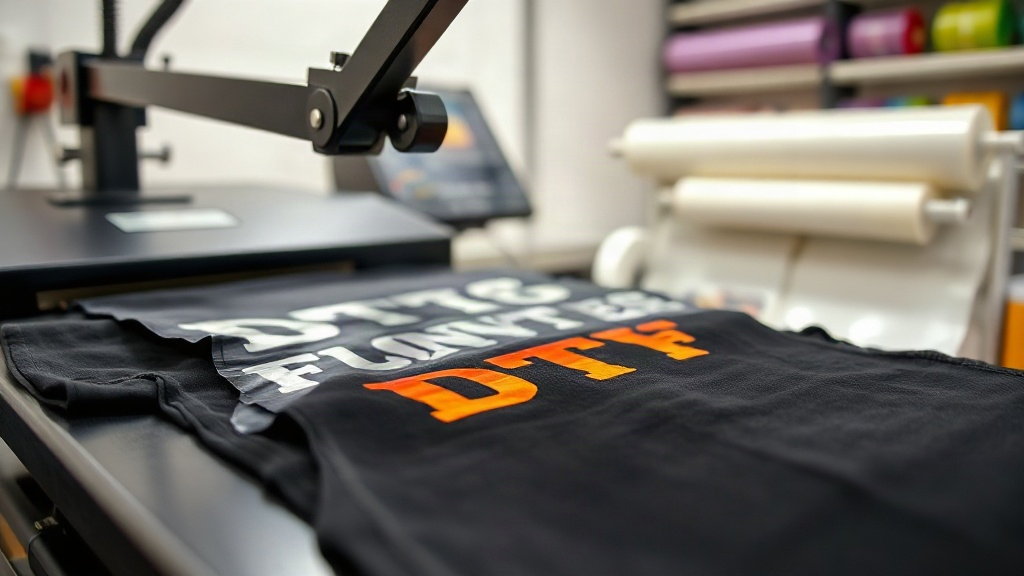
If you're in the custom apparel business, you've likely heard the buzz around DTF transfers. This printing method has taken the garment decoration world by storm, offering vibrant colors, incredible detail, and unmatched versatility. But what exactly are DTF transfers, and why are so many printers switching to this technology? In this guide, we'll dive deep into the world of DTF printing, covering everything from the basics to advanced tips. Whether you're a seasoned pro or just starting out, you'll find actionable insights to elevate your printing game.
What Are DTF Transfers?
DTF transfers (Direct to Film) are a type of heat-applied transfer that allows you to print full-color designs onto a special film, then transfer them onto various fabrics using a heat press. Unlike DTG (Direct to Garment) or screen printing, DTF doesn't require pre-treatment or specialized inks for different fabrics. The process involves printing your design onto a PET film with water-based inks, applying a hot-melt powder adhesive, and then curing the film. Once ready, you can press it onto cotton, polyester, blends, and even nylon. The result is a soft, stretchable, and durable print that rivals other methods.
Why Choose DTF Transfers?
There are several compelling reasons why DTF transfers have become a go-to solution for many print shops. Let's break down the key benefits.
Unmatched Versatility
One of the biggest advantages of DTF transfers is their ability to adhere to a wide range of materials. While DTG struggles with polyester and screen printing requires different inks for different fabrics, DTF works on almost anything. This means you can offer your customers more options without investing in multiple printing setups.
Vibrant Colors and Fine Details
DTF printing uses CMYK plus white ink, allowing for bright, saturated colors and smooth gradients. The white ink layer acts as a base, making colors pop even on dark garments. Additionally, the resolution is high, so you can reproduce intricate designs, small text, and photographic images with impressive clarity.
Cost-Effective for Short Runs
For small batch orders, DTF transfers are incredibly cost-effective. There's no need for screens or plates, so setup costs are minimal. You can print one-off designs or small quantities without breaking the bank. This makes DTF perfect for personalized gifts, sample orders, or limited-edition merch.
Durability and Washability
When applied correctly, DTF transfers are highly durable. They withstand repeated washing without cracking, peeling, or fading. The prints remain soft and flexible, so the garment doesn't feel stiff. This longevity is a major selling point for customers who want their custom apparel to last.
How to Apply DTF Transfers: Step-by-Step
Applying DTF transfers is straightforward, but following the right steps ensures a professional finish. Here's a detailed guide.
Step 1: Prepare Your Heat Press
Set your heat press to the recommended temperature and pressure. Typically, DTF transfers require a temperature of 300-325°F (150-160°C) and medium pressure. Always check the instructions provided by your transfer supplier, as specifications can vary.
Step 2: Pre-Press the Garment
Pre-pressing removes moisture and wrinkles from the fabric, creating a smooth surface for the transfer. Press the garment for 5-10 seconds. This step is crucial for proper adhesion.
Step 3: Position the Transfer
Place the DTF transfer onto the garment with the printed side facing up. If your transfer has a backing film, ensure it's on top. Use heat-resistant tape to hold it in place if needed.
Step 4: Apply Heat and Pressure
Press the transfer for 10-15 seconds. Avoid over-pressing, as excessive heat can cause the design to spread or the film to warp. For best results, use a Teflon sheet or parchment paper between the press and the transfer.
Step 5: Peel the Film
After pressing, allow the transfer to cool completely before peeling off the film. This is known as a cold peel. Peeling while hot can distort the design. Once cooled, slowly peel the film away. If any part of the design lifts, re-press for a few seconds.
Step 6: Post-Press for Durability
For added durability, cover the design with parchment paper and press again for 5-10 seconds. This ensures the adhesive fully cures and the print bonds permanently to the fabric.
Common Mistakes to Avoid with DTF Transfers
Even experienced printers can run into issues. Here are some pitfalls to watch out for.
- Incorrect temperature: Too low, and the transfer won't adhere; too high, and it may burn or distort. Always follow the supplier's recommendations.
- Insufficient pressure: Without enough pressure, the transfer won't bond properly, leading to premature peeling.
- Peeling too soon: Patience is key. Let the transfer cool completely before peeling.
- Not pre-pressing: Skipping pre-pressing can result in moisture trapped under the transfer, causing bubbles or poor adhesion.
- Using the wrong film: Not all DTF films are created equal. Choose high-quality films designed for your printer and ink.
DTF vs. Other Printing Methods
How do DTF transfers stack up against DTG, screen printing, and vinyl? Let's compare.
DTF vs. DTG
DTG prints directly onto the garment and works best on 100% cotton. It requires pre-treatment and can be slow. DTF, on the other hand, works on almost any fabric, needs no pre-treatment, and offers more vibrant colors on dark shirts. However, DTG may have a softer feel on light cottons.
DTF vs. Screen Printing
Screen printing is cost-effective for large orders but requires setup for each color. DTF has no setup costs and handles full-color designs easily, making it ideal for short runs. Screen printing may offer slightly better durability on heavy fabrics, but DTF is close behind.
DTF vs. Vinyl
Heat transfer vinyl (HTV) is great for simple, single-color designs. It's durable and easy to apply but limited in complexity. DTF excels with detailed, multi-color graphics and photographs, offering a level of detail HTV can't match.
Tips for Getting the Best Results
To maximize the quality and longevity of your DTF transfers, keep these tips in mind.
- Use high-quality supplies: Invest in good film, ink, and powder. Cheap materials can lead to clogs, poor adhesion, and faded prints.
- Maintain your printer: Regular cleaning and maintenance prevent clogged nozzles and ensure consistent output.
- Store transfers properly: Keep unused transfers in a cool, dry place away from direct sunlight. Humidity can affect the powder adhesive.
- Test before bulk production: Always do a test press on a scrap garment to verify settings and appearance.
- Educate your customers: Provide care instructions to ensure the print lasts. Recommend washing inside out in cold water and avoiding bleach.
Frequently Asked Questions About DTF Transfers
How long do DTF transfers last?
With proper application and care, DTF transfers can last as long as the garment itself. They withstand dozens of washes without fading or cracking. Following the correct washing instructions is key to longevity.
Can I use DTF transfers on dark colors?
Absolutely. DTF printing uses a white ink base, which makes colors vibrant on both light and dark fabrics. This is one of its major advantages over other methods.
Do I need special equipment for DTF transfers?
You'll need a DTF printer, a heat press, and a curing oven or heat gun for the powder. However, if you buy pre-made transfers, you only need a heat press to apply them.
What fabrics work best with DTF transfers?
DTF works on cotton, polyester, blends, nylon, and even leather. It's one of the most versatile transfer methods available.
How do I store DTF transfers?
Store them in a cool, dry place, away from moisture and direct sunlight. Keep them flat to avoid creasing. Proper storage ensures they remain usable for months.
Mastering DTF transfers opens up a world of possibilities for your custom apparel business. With their versatility, vibrant results, and durability, it's no wonder they're a favorite among printers. By following the steps and tips outlined here, you'll be producing professional-quality transfers in no time. Remember, practice makes perfect, so don't be afraid to experiment and refine your process. Happy printing!