
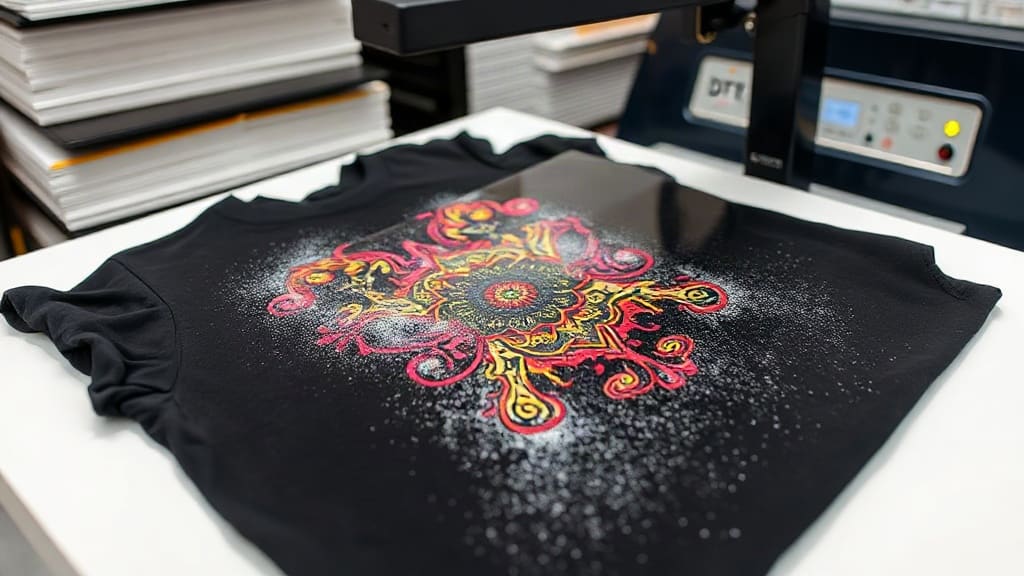
DTF transfers have become a buzzword in the custom apparel industry, and for good reason. Whether you're a small business owner, a hobbyist, or a large-scale printer, understanding this technology can open doors to new possibilities. In this guide, I'll break down what DTF transfers are, how they work, and why they're changing the game.
I still remember the first time I tried DTF printing. I had been using vinyl and screen printing for years, and the limitations were frustrating. Then a friend showed me a DTF transfer he'd made, and I was hooked. The colors were vibrant, the feel was soft, and the process seemed so simple. Since then, I've experimented extensively, and I'm here to share what I've learned.
What Are DTF Transfers?
DTF stands for Direct to Film. It's a printing method where a design is printed onto a special film, coated with adhesive powder, and then heat-pressed onto a garment. Unlike traditional screen printing, DTF doesn't require screens or complex setup. Unlike vinyl, it can reproduce full-color images with gradients and fine details.
The process is relatively straightforward, but each step matters. Let me walk you through it in detail, so you know exactly what to expect.
Step-by-Step: How DTF Transfers Are Made
- Printing: A special DTF printer prints your design onto a PET film using CMYK plus white ink. The white ink is crucial because it provides an opaque base for the design, especially on dark garments.
- Adhesive Powder: While the ink is still wet, a hot-melt adhesive powder is applied to the film. The powder sticks only to the inked areas, thanks to the tackiness of the ink.
- Drying: The film is then passed through a dryer or heat source to melt the powder and cure the adhesive. This creates a strong bond that will later adhere to the fabric.
- Transfer: The film is placed on the garment, with the printed side facing up. A heat press applies pressure and heat (typically around 160°C for 15 seconds) to activate the adhesive and transfer the design.
- Peeling: After pressing, the film is peeled away, leaving the design on the fabric. Depending on the film type, you either peel hot or cold.
It sounds simple, but achieving perfect results requires attention to detail. For instance, powder quality and application thickness can affect the final feel and durability. I've learned that using a shaker or a powder applicator ensures even coverage, which leads to a smoother finish.
Why DTF Transfers Are Gaining Popularity
There are several reasons why DTF transfers are becoming the go-to choice for many printers:
- Vibrant Colors and Detail: Because DTF uses a digital printer, you can reproduce complex designs with millions of colors, gradients, and small text without sacrificing quality.
- Versatility: DTF transfers work on a wide range of fabrics, including cotton, polyester, blends, and even nylon. You can also apply them to hard surfaces like wood or glass, though the technique may differ slightly.
- Soft Hand Feel: Unlike thick vinyl, DTF transfers are thin and flexible. When applied correctly, the design doesn't feel rubbery or stiff; it blends with the fabric.
- No Screens or Weeding: Unlike screen printing, there's no screen setup, and unlike vinyl, there's no weeding. You simply print, powder, and press. This saves time and labor.
- Great for Small Orders: Because there's no minimum quantity, DTF is perfect for one-off custom apparel, samples, or small batches. You can print a single design at a reasonable cost.
I remember a client who needed 20 custom shirts for a corporate event. Screen printing would have been overkill and expensive. With DTF, I could fulfill the order in a day, and the client was thrilled with the quality.
DTF Transfers vs. Other Methods
To understand the value of DTF, it helps to compare it with other popular methods.
DTF vs. Screen Printing
Screen printing is excellent for large quantities because the per-unit cost decreases significantly. However, the setup cost is high, and it's impractical for small runs or intricate, multi-colored designs. DTF, on the other hand, has no setup, and you can print any design with ease. The trade-off is that for very large orders, screen printing may still be more cost-effective.
DTF vs. Vinyl (Heat Transfer Vinyl)
Vinyl is great for simple designs with few colors. But cutting and weeding can be tedious, and layering multiple colors is tricky. DTF eliminates these issues. You can print full-color images, and the process is much faster, especially for complex designs.
DTF vs. DTG (Direct to Garment)
DTG prints directly onto the garment using an inkjet printer. It offers excellent quality, but the printer is expensive, and the process is slower for bulk orders. DTF transfers are printed on film first, so you can prepare multiple transfers in advance and press them quickly. Additionally, DTF works better on dark fabrics without pre-treatment, whereas DTG requires pre-treatment for dark garments.
Tips for Getting the Best Results with DTF Transfers
After working with DTF for a while, I've gathered some practical tips that can help you avoid common pitfalls:
- Use High-Quality Films and Powders: Don't skimp on materials. Cheap films may not peel properly, and low-grade powder can result in poor adhesion or a stiff feel. Invest in reputable brands.
- Calibrate Your Printer: Ensure your printer is properly calibrated for color accuracy. If you're using a converted Epson printer, test prints are essential to ensure the ink lays down correctly.
- Control the Temperature and Pressure: Too little heat and the design won't stick; too much and the adhesive may bleed or scorch. Follow the manufacturer's recommendations and always do a test press.
- Peel at the Right Time: Some films require hot peeling (immediately after pressing), while others need to cool down. Check the film's instructions. For hot peel, be careful not to distort the design.
- Pre-Press Your Garments: A quick pre-press removes moisture and wrinkles, ensuring a smoother transfer. This step is often overlooked but makes a big difference.
Common Mistakes to Avoid
Even experienced printers make errors. Here are the most common ones I've seen and how to avoid them:
- Applying Too Much Powder: This can lead to a thick, plastic-like feel and may cause the design to crack. Use just enough to cover the ink.
- Under-Curing: If the powder isn't fully melted, the design won't adhere properly and may wash off. Make sure the dryer reaches the right temperature.
- Using the Wrong Transfer Film: Some films are designed for light fabrics only. If you use them on dark shirts, the design may appear faded. Always match the film to your garment color.
- Skipping Test Prints: Always run a test transfer on a scrap fabric before doing your final garment. This helps you fine-tune the settings.
The Business Side: Is DTF Transfers Worth It?
If you're considering adding DTF to your business, you might wonder about the costs and profitability. The initial investment includes a DTF printer (or a conversion kit for an existing printer), film, powder, and a heat press if you don't have one. However, the ongoing costs are relatively low, and you can charge a premium for custom, full-color designs.
Many businesses offer DTF transfer services to other companies. You can print transfers and sell them to other apparel decorators, who then press them onto garments. This creates a B2B revenue stream. I know several people who started with a small setup and now run thriving businesses solely by selling transfers online.
On the other hand, if you only need DTF for occasional in-house projects, you might consider buying pre-made transfers from a supplier. This eliminates the need for equipment and allows you to test the waters before committing. Just ensure the supplier uses high-quality materials.
Frequently Asked Questions
Can DTF transfers be used on any fabric?
DTF transfers are versatile and work on a wide range of fabrics, including cotton, polyester, blends, and even some synthetics like nylon. However, for very stretchy fabrics or those with special coatings, you may need to adjust your press settings or test first. Always check the fabric's care label and do a test application.
How many washes do DTF transfers last?
With proper application and care, DTF transfers can last for many washes, often exceeding 50 wash cycles. They are quite durable, but the longevity depends on factors like the quality of the film and powder, the washing conditions, and the fabric type. To extend the life, wash garments inside out in cold water and avoid using bleach.
What is the difference between DTF and sublimation?
Sublimation is a method where dye is transferred to polyester fabrics using heat, and it becomes part of the fabric. It works only on polyester or polymer-coated materials and produces a soft, breathable print. DTF, on the other hand, uses an adhesive film and can work on cotton and blends, making it more versatile. However, sublimation often yields more vibrant colors on polyester, and there's no feel of the transfer on the fabric.
Can I use a regular inkjet printer for DTF?
No, you need a printer that can handle pigment inks and white ink. Standard inkjet printers use dye-based inks that aren't suitable for DTF. You can convert some Epson EcoTank models to DTF by replacing the ink system with DTF-compatible pigment inks and using a white ink circulation system. However, this requires technical know-how, and many people opt for purpose-built DTF printers from manufacturers like Epson or Sawgrass.
Are DTF transfers eco-friendly?
DTF printing is relatively eco-friendly compared to some traditional methods because it uses less water and produces less waste. However, the films and powders are typically not biodegradable. To minimize your environmental impact, look for suppliers that offer recyclable or biodegradable films, and dispose of waste properly. Additionally, since DTF allows for small batches, it reduces overproduction and waste.
Final Thoughts
DTF transfers are a revolutionary technology that has democratized custom apparel printing. Whether you're a seasoned professional or a beginner, the ease, quality, and versatility of DTF make it an attractive option. By understanding how they work and following best practices, you can produce stunning results that will impress your clients or friends.
If you haven't tried DTF yet, I encourage you to give it a shot. Start with a simple design, pay attention to the details, and soon you'll see why so many printers are making the switch. The custom printing landscape is evolving, and DTF is at the forefront.