
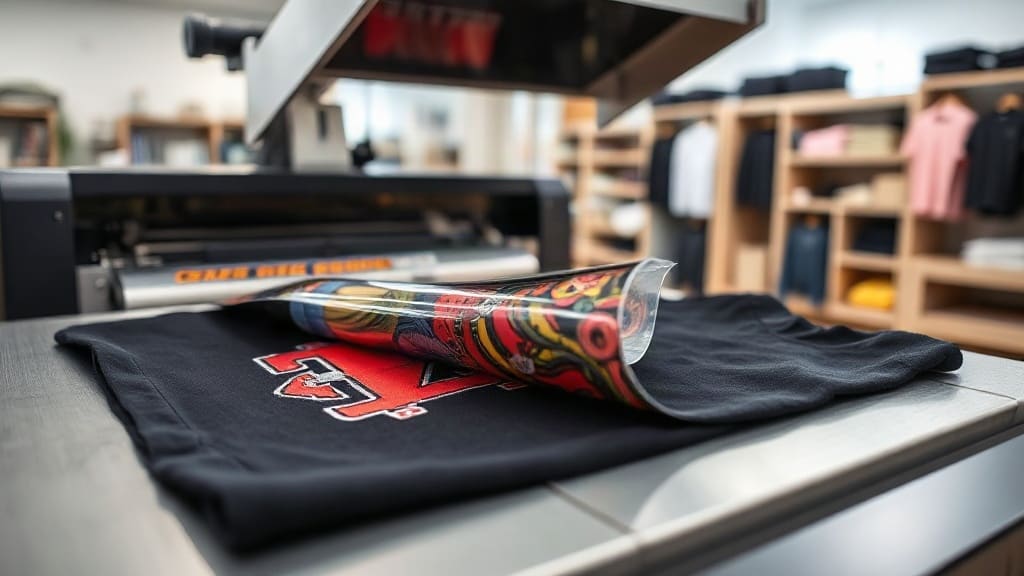
If you're in the custom apparel business, you've likely heard about DTF transfers (Direct to Film). This printing method has taken the industry by storm, offering a versatile and cost-effective way to produce vibrant designs on various fabrics. But what exactly are DTF transfers, and why are they becoming the go-to choice for many printers? In this comprehensive guide, we'll dive deep into the world of DTF, exploring how it works, its advantages, and practical tips to get the best results.
What Are DTF Transfers?
DTF transfers are a printing technique where a design is printed onto a special film using a DTF printer, then transferred onto fabric using a heat press. Unlike traditional heat transfer vinyl (HTV), DTF doesn't require weeding, and it can be applied to a wide range of materials, including cotton, polyester, blends, and even leather. The process involves printing a mirrored image with white ink on a PET film, covering it with adhesive powder, and then curing the powder to create a peelable transfer. When you're ready to apply, you simply place the film on your garment, apply heat and pressure, and peel away the film to reveal a durable, stretchy print.
How DTF Transfers Work
The DTF process begins with printing your design onto a special film using digital inkjet technology. A DTF printer typically uses CMYK plus white ink to ensure that colors appear vibrant even on dark fabrics. After printing, a hot-melt adhesive powder is applied to the wet ink while the film is still slightly damp. This powder is crucial because it creates a bond between the ink and the fabric. The film is then passed through a dryer or heat tunnel to cure the powder, making it tacky and ready for transfer. When you apply heat and pressure with a heat press, the adhesive melts and fuses with the fabric, resulting in a print that is both flexible and resistant to cracking.
Advantages of DTF Transfers
Why are DTF transfers so popular? Here are some key benefits:
- Versatility: DTF works on a wide variety of fabrics, including tricky materials like nylon and blends. You can even print on items like bags and hats.
- No Weeding: Unlike vinyl, DTF eliminates the tedious weeding process. Your design is ready to transfer as soon as it's printed and powdered.
- Vibrant Colors: Because of the white underbase, DTF prints pop on dark garments, showing true colors without needing a separate underlay.
- Durability: DTF transfers are known for their stretchability and resistance to washing. They can last for many washes without fading or cracking.
- Cost-Effective: For small batches, DTF is often cheaper than screen printing, as there are no setup fees. This makes it ideal for on-demand printing.
DTF Transfers vs. Other Printing Methods
To truly appreciate DTF, it's helpful to compare it with other popular methods like screen printing, DTG, and vinyl.
DTF vs. Screen Printing
Screen printing is excellent for large orders with single-color designs, but it requires significant setup and is not practical for small quantities. DTF offers more flexibility for short runs and full-color designs without the need for screens. However, for very large quantities, screen printing may still be more economical per unit.
DTF vs. DTG
DTG (Direct to Garment) prints directly onto the fabric using inkjet technology. It works great on 100% cotton but struggles on polyester. DTF, on the other hand, can handle a variety of fabrics, including polyester, and often produces more vibrant results on dark colors. DTG also requires a pretreating step, while DTF simplifies the process.
DTF vs. Vinyl
Vinyl cutting is perfect for simple text and shapes, but it requires weeding and is limited in color complexity. DTF allows for photographic and multi-color designs with no weeding, making it a superior choice for intricate artwork. Additionally, DTF prints are thinner and more flexible than vinyl, providing a softer feel.
Tips for Successful DTF Transfers
Getting the best results from your DTF transfers requires attention to detail. Here are some expert tips:
- Use High-Quality Films and Inks: The quality of your consumables directly affects the final print. Invest in reputable DTF films and inks designed for your printer.
- Proper Powder Application: Ensure even coverage of adhesive powder. Too little powder may result in poor adhesion, while too much can cause a thick, rubbery feel.
- Optimal Pressing Conditions: Follow the recommended temperature, pressure, and time for your specific transfer. Typically, around 300°F (150°C) for 10-15 seconds with medium pressure works well, but always test.
- Peel While Hot or Cold? Some films require hot peeling, others cold. Follow the manufacturer's instructions for the best finish.
- Pre-press Your Garment: Before applying the transfer, pre-press your garment to remove moisture and wrinkles, ensuring better adhesion.
Common Mistakes to Avoid
Even seasoned printers can fall into traps. Avoid these common pitfalls:
- Skipping Test Prints: Always test on a scrap fabric before committing to a full run. Conditions can vary with different materials.
- Ignoring Fabric Content: While DTF works on many fabrics, blends with high polyester content may require lower temperatures to prevent melting.
- Overlooking Curing: The adhesive powder must be fully cured; otherwise, the transfer may crack or peel during washing.
- Using Incorrect Mirroring: Always print your design mirrored on the film, or your final print will be reversed.
How to Start with DTF Transfers
Are you ready to dive into DTF? Here's a step-by-step roadmap:
- Choose Your Printer: You can start with a desktop DTF printer or convert an existing eco-solvent printer with a DTF kit. Look for models that support white ink.
- Select the Right Consumables: Purchase DTF film, adhesive powder, and compatible inks. Some suppliers offer starter kits.
- Learn the Software: Use RIP software (like Flexi or PrintFactory) to manage your prints, including color profiles and white underbase settings.
- Practice, Practice, Practice: Run several test prints to dial in your settings. Keep notes on what works best for different fabrics.
- Scale Up: Once you're confident, start offering DTF transfers to your customers. Consider offering both white-label and custom designs.
Frequently Asked Questions
Can DTF transfers be used on any fabric?
DTF transfers are highly versatile and can be applied to a wide range of fabrics, including cotton, polyester, nylon, and blends. They also work on materials like canvas and leather. However, always test on a small area first to ensure the heat and pressure don't damage the material, especially with synthetic fabrics that can melt at high temperatures.
How many washes do DTF transfers last?
With proper application and care, DTF transfers can withstand 50 or more washes without significant fading or cracking. The key is to use high-quality materials and follow the correct pressing parameters. Also, advise your customers to wash garments inside out in cold water and avoid using bleach or fabric softeners to extend the life of the print.
Is DTF transfer better than DTG for dark shirts?
For dark shirts, DTF transfers often produce more vibrant and opaque results because of the white underbase layer. DTG typically requires a pre-treatment and may need multiple passes to achieve the same opacity, which can sometimes lead to a heavier hand feel. DTF prints are thinner and more flexible, making them a popular choice for dark garments.
What equipment do I need for DTF printing?
To start with DTF, you'll need a DTF printer (or a converted printer), DTF film, adhesive powder, a powder shaker or applicator, a heat source for curing (like a tunnel or oven), and a heat press for transferring. Some printers also use a lamination machine to apply the powder, but it's not mandatory. The initial investment can be around $3,000 to $10,000 depending on the equipment's quality and brand.
Can I make DTF transfers at home?
Yes, it's possible to make DTF transfers at home with a smaller setup. Many hobbyists start with a desktop DTF printer and a basic heat press. The process is manageable, but it requires careful attention to details like powder application and curing. It's a great way to create custom apparel for personal use or small-scale selling.
Conclusion
DTF transfers have revolutionized the custom printing industry, offering a flexible, high-quality, and cost-efficient solution for creating vibrant designs on a wide variety of fabrics. Whether you're a small business owner looking to expand your product range or a hobbyist exploring new techniques, DTF provides endless possibilities. With the right equipment, materials, and a bit of practice, you can produce professional-grade prints that your customers will love. Embrace the power of DTF and take your printing projects to the next level.