
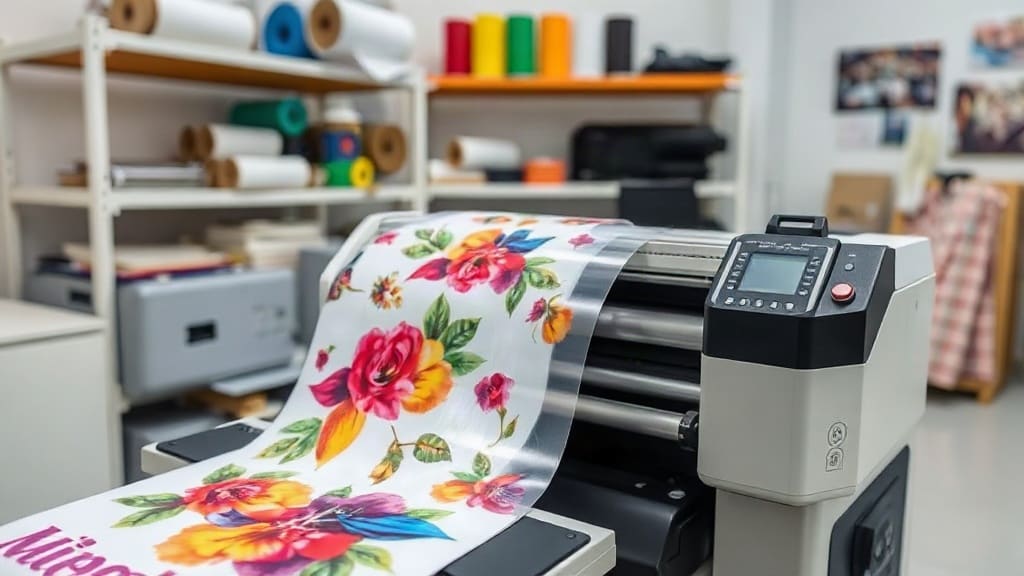
When you're in the middle of a custom apparel project, the last thing you want is a delay. You've probably searched for dtf transfer options online, but you might wonder about local sources. Finding a trustworthy supplier in your area can make a huge difference in turnaround time, quality control, and customer satisfaction. In this guide, I'll share what I've learned from years of working with DTF transfers, including how to evaluate potential suppliers, what questions to ask, and how to spot red flags.
Why Local DTF Transfers Matter
While ordering from large national companies is convenient, there are several advantages to choosing a local supplier for dtf transfers. First, you can often see and feel the product before committing to a large order. Second, shipping costs and times are reduced, which is critical if you have a deadline. Third, building a relationship with a nearby supplier can lead to better pricing and custom solutions. But how do you find the right one?
The Search: What to Look For
When you type dtf transfers near me into a search engine, you'll get a list of options. But not all suppliers are equal. Here are key factors to consider:
- Experience and specialization
- Print quality and color reproduction
- Material options (e.g., different films, adhesives)
- Turnaround time
- Minimum order quantities
- Pricing transparency
- Customer reviews and reputation
Experience and Specialization
A supplier that has been in the DTF business for years likely understands the nuances of film, adhesive, and printing. Ask about their setup: do they use high-quality printers and curing equipment? Specialization matters because a general print shop may not have the expertise for DTF specifically.
Print Quality: The Ultimate Test
You can't judge quality from a website. Request a sample order before committing. Examine the print for sharpness, color vibrancy, and adhesion. A good DTF transfer should have a soft hand feel and withstand washing without cracking or peeling. If a supplier hesitates to provide samples, that's a red flag.
Asking the Right Questions
When you contact potential suppliers, come prepared with specific questions. Here are some I always ask:
- What film and adhesive do you use?
- What is your typical turnaround time?
- Do you offer color matching?
- What is your minimum order quantity?
- Can you provide references or samples?
- What is your pricing structure?
Understanding Your Needs
Before you even start searching, know what you need. Are you making a single shirt or a bulk order? Do you need white ink underbase for dark garments? What about special effects like glitter or puff? The answers will help you filter suppliers quickly.
Evaluating Samples: A Step-by-Step Guide
Once you have samples, don't just look at them. Test them. Here's a simple method:
- Press the transfer onto different fabric types (cotton, polyester, blends).
- Wash the test garment several times to see how the print holds up.
- Stretch the fabric to check for cracking.
- Compare the color to your original design.
This process takes time but is essential to avoid costly mistakes later.
Red Flags to Avoid
Not every local supplier is a good fit. Watch for these warning signs:
- They can't provide samples.
- They are vague about their processes.
- They offer prices that seem too good to be true.
- They have no physical address or showroom.
- They refuse to give references.
- They have poor communication.
The Cost Factor
Price is always a consideration, but it shouldn't be the only one. A cheaper transfer might save money upfront but lead to returns and unhappy customers if the quality fails. Look for a balance between cost and reliability. Ask about volume discounts and whether they offer any guarantees.
Building a Long-Term Relationship
Once you find a supplier that meets your standards, nurture that relationship. Consistent orders can lead to better rates and priority service. Also, keep communication open. Share your feedback, and they'll be more likely to accommodate your needs.
The Future of DTF
DTF technology is constantly evolving. A good local supplier should be up-to-date with the latest materials and techniques. Ask them about recent upgrades or innovations they've adopted. This shows they're invested in quality.
Frequently Asked Questions
How long do DTF transfers last?
With proper application and care, DTF transfers can last as long as the garment itself. They are durable and withstand multiple washes without fading or cracking. The key is to follow the pressing instructions correctly and use quality materials.
Can I use DTF transfers at home?
Yes, you can apply DTF transfers at home if you have a heat press. Some people try with a home iron, but that's not recommended because achieving consistent temperature and pressure is difficult. A heat press ensures the adhesive activates evenly for a lasting bond.
What fabrics are best for DTF transfers?
DTF transfers work well on most fabrics, including cotton, polyester, and blends. They are particularly good for stretchy materials because the adhesive layer provides flexibility. However, for 100% polyester, you need to test because the heat can cause dye sublimation issues.
How do I know if a supplier is reputable?
Check online reviews, ask for referrals, and request samples. A reputable supplier will be transparent about their processes and happy to answer your questions. Also, look for a physical address and contact information that seems legitimate.
What is the minimum order for DTF transfers?
Minimum order quantities vary by supplier. Some offer single transfers, while others require a certain number of prints. If you're just starting, look for suppliers with low minimums so you can test without a huge investment.
Finding the right local supplier for your DTF needs takes time, but it's worth it. By following these guidelines and doing your research, you'll be able to produce high-quality products that keep your customers coming back. Remember, the best dtf transfers are not just about the product itself but the relationship you build with the supplier.