
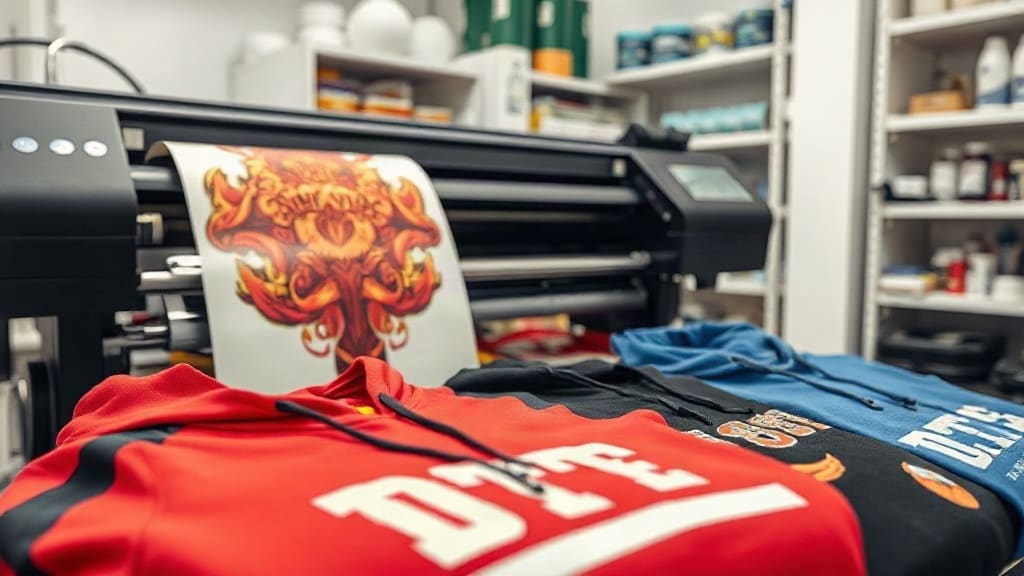
If you’re searching for DTF printing services, you’ve probably realized that not all transfer providers are created equal. Whether you’re a small business owner, a custom apparel enthusiast, or someone who wants to create unique gifts, finding the right partner for DTF transfers is crucial to getting vibrant, durable results. But with so many options claiming to be the best, how do you separate the pros from the amateurs? In this guide, we’ll walk you through everything you need to know about finding DTF transfers near me, from what to look for in a local printer to how to test quality before making a large order.
Why Local DTF Transfers Matter
When you type “DTF transfers near me” into a search engine, you’re likely looking for convenience, speed, and the ability to communicate directly with the printer. Local providers offer several advantages over overseas suppliers: faster turnaround, lower shipping costs, and the ability to see and feel the product before you commit to a big run. Plus, supporting local businesses often means better customer service and a more personal touch.
However, proximity alone doesn’t guarantee quality. You need to evaluate each potential printer carefully to ensure they use high-quality materials and advanced equipment. Let’s dive into the key factors that separate top-notch DTF transfer providers from the rest.
What Are DTF Transfers?
Before we get into the nitty-gitty of choosing a printer, it’s helpful to understand what DTF transfers are and how they work. DTF, or Direct to Film, is a printing method where a design is printed onto a special PET film using a DTF printer, then coated with adhesive powder. The film is then applied to a garment using a heat press, which transfers the design directly onto the fabric. Unlike screen printing, DTF requires no screens and is perfect for full-color designs, gradients, and intricate details. It’s also versatile, working on cotton, polyester, blends, and many other materials.
The quality of DTF transfers depends on several factors: the printer’s resolution, the type of ink used (typically pigmented or dye-based), the quality of the film, the adhesive powder, and the pressing technique. A local printer who invests in high-end equipment and uses premium consumables will produce transfers that are vibrant, stretchy, and long-lasting.
How to Search for DTF Transfers Near Me
When you start your search, you’ll likely use online directories, Google Maps, and social media. But don’t just pick the first result with a good rating. Here’s a step-by-step approach to finding reliable local DTF transfer providers:
- Use specific keywords: Instead of a broad search, try “DTF transfers near me” or “custom DTF printing near me” to narrow down results.
- Check their portfolio: Look for examples of their previous work. Reputable printers will showcase their transfers on actual garments, not just digital mockups.
- Read reviews: Sites like Google, Yelp, and Facebook can give you insight into other customers’ experiences. Pay attention to comments about color accuracy, durability, and communication.
- Visit their website: A professional website often indicates a well-established business. Look for detailed product descriptions, FAQs, and contact information.
- Ask for samples: A trustworthy printer will be happy to send you a sample transfer that you can test yourself. This is the best way to evaluate quality firsthand.
Key Indicators of High-Quality DTF Transfers
When you’re evaluating local DTF transfer providers, you need to know what to look for. Here are some specific quality indicators:
Print Resolution and Color Vibrancy
A high-quality DTF transfer should have crisp details and vibrant colors. If you look closely at the print, you shouldn’t see pixelation or color banding. Ask about the printer’s DPI (dots per inch) and whether they use color management profiles to ensure accuracy. A provider who invests in professional RIP software and color calibration will deliver consistent results.
Adhesive Quality and Washability
The adhesive powder used in DTF transfers is what makes the design stick to the fabric. A good transfer should have a smooth, even adhesive layer that melts into the garment during pressing. After washing, the design shouldn’t crack, peel, or fade. Ask the printer about their adhesive type and whether they’ve tested their transfers for washability. Ideally, they should have results from multiple wash tests to prove durability.
Film Thickness and Release
The PET film used in DTF printing must be of high quality to ensure clean release. A flimsy film can wrinkle or stretch during pressing, ruining the design. Ask about the film brand and thickness. A reliable printer will use a film that peels easily at the right temperature, leaving no residue behind.
Ink Quality
DTF inks are typically pigment-based, which offers better color vibrancy and durability compared to dye-based inks. Some printers use white ink as a base layer, which is essential for printing on dark garments. Check if the printer uses genuine, high-quality inks that are resistant to fading and cracking. Low-quality inks can bleed or lose color after a few washes.
Pressing Instructions
Even the best DTF transfer won’t look great if it’s not pressed correctly. A knowledgeable printer will provide clear instructions on temperature, pressure, and pressing time. They might even offer video tutorials or templates. If a printer doesn’t give you proper guidance, it’s a red flag that they might not be experienced.
Questions to Ask a Potential DTF Transfer Provider
Before you commit to a local DTF transfer company, ask these questions to ensure they’re the right fit:
- What DTF printer and ink do you use?
- Can I order a sample transfer before placing a bulk order?
- What is your turnaround time for custom orders?
- Do you offer color matching or Pantone color matching?
- What file formats do you accept, and do you provide design assistance?
- How do you handle issues like design errors or printing defects?
- Do you offer discounts for volume orders?
Getting clear answers to these questions will give you confidence in their capabilities and customer service.
Comparing Local vs. Online DTF Transfer Services
While the focus of this article is on finding local DTF transfers, it’s worth comparing them with online services. Online providers often have lower overhead costs, which can translate to lower prices, but they may have longer shipping times and less personalized support. Local services, on the other hand, allow you to pick up orders in person, check quality immediately, and build a long-term relationship. Weigh the pros and cons based on your specific needs.
How to Test a DTF Transfer Sample
Once you have a sample transfer, it’s time to put it to the test. Here’s a simple method to evaluate its quality:
- Visual inspection: Look at the print under bright light. Check for any missing dots, lines, or color inconsistencies.
- Feel the surface: A good transfer should have a smooth, slightly rubbery feel. If it feels gritty or rough, the adhesive may be too thick or uneven.
- Stretch test: Gently stretch the printed area. If the design cracks or separates, it’s not flexible enough.
- Wash test: Wash the garment according to the instructions (usually inside out, cold water). After drying, inspect for any fading, cracking, or peeling.
If the sample passes these tests, you’ve likely found a reliable provider.
Common Mistakes to Avoid When Choosing a DTF Transfer Provider
To ensure you get the best results, avoid these common pitfalls:
- Choosing based solely on price: The cheapest option often uses low-quality materials, leading to poor results and dissatisfied customers.
- Ignoring reviews: Reviews are a goldmine of information. Ignoring them can lead to unpleasant surprises.
- Not asking for samples: Never assume quality based on photos alone. Always request a physical sample.
- Overlooking communication: If a printer is hard to reach before you order, they’ll likely be unresponsive after you pay.
- Skipping the fine print: Understand their policies on design copyright, order minimums, and returns.
Benefits of Building a Relationship with a Local DTF Transfer Printer
Once you find a reliable local DTF transfer provider, you can enjoy several long-term benefits. You’ll get faster turnaround times, potentially lower shipping costs, and the ability to discuss your projects face-to-face. A good relationship also means they’ll understand your preferences and can offer advice on improving your designs. Plus, you’ll have a reliable partner for seasonal campaigns or urgent orders.
Frequently Asked Questions
What is the minimum order quantity for DTF transfers?
Minimum order quantities (MOQs) vary by printer. Some local shops offer no minimum for samples, while others may require at least 10 or 20 transfers for production orders. It’s best to ask each provider individually. Many printers are flexible for small businesses starting out, so don’t hesitate to inquire about lower quantities.
How long does it take to receive DTF transfers from a local printer?
Turnaround times depend on the complexity of your design, the printer’s workload, and whether you need shipping or pickup. Typically, local printers can deliver custom DTF transfers within 2-5 business days, but rush orders might be available for an extra fee. Always ask for an estimated timeline before placing your order.
Can I use DTF transfers on any fabric?
DTF transfers are versatile and can be applied to most fabrics, including cotton, polyester, blends, nylon, and even leather. The key is to use the correct pressing temperature and time for the specific material. Your DTF transfer provider can give you detailed instructions for each fabric type.
How many washes do DTF transfers typically last?
High-quality DTF transfers can last for 30-50 washes or more when properly applied and cared for. To maximize longevity, wash garments inside out in cold water and avoid using harsh detergents or high heat when drying. The durability also depends on the quality of the transfer itself, so choosing a reputable printer is essential.
Do I need a heat press to apply DTF transfers?
Yes, a heat press is the recommended equipment for applying DTF transfers. While a home iron might work for small projects, a heat press ensures even pressure and consistent temperature, which are critical for proper adhesion. If you don’t have a heat press, many local print shops offer application services or can recommend where to rent one.
Conclusion
Finding the best DTF transfers near me doesn’t have to be a daunting task. By understanding what makes a high-quality transfer and what to look for in a local provider, you can make an informed decision that will save you time, money, and frustration. Remember to always request samples, ask the right questions, and build a relationship with a printer who values quality as much as you do. With the right partner, you’ll be able to create stunning custom apparel that stands out and lasts.
So go ahead and start your search today. Use the tips we’ve provided to evaluate local DTF transfer services, and soon you’ll be producing professional-grade custom garments that your customers will love.