
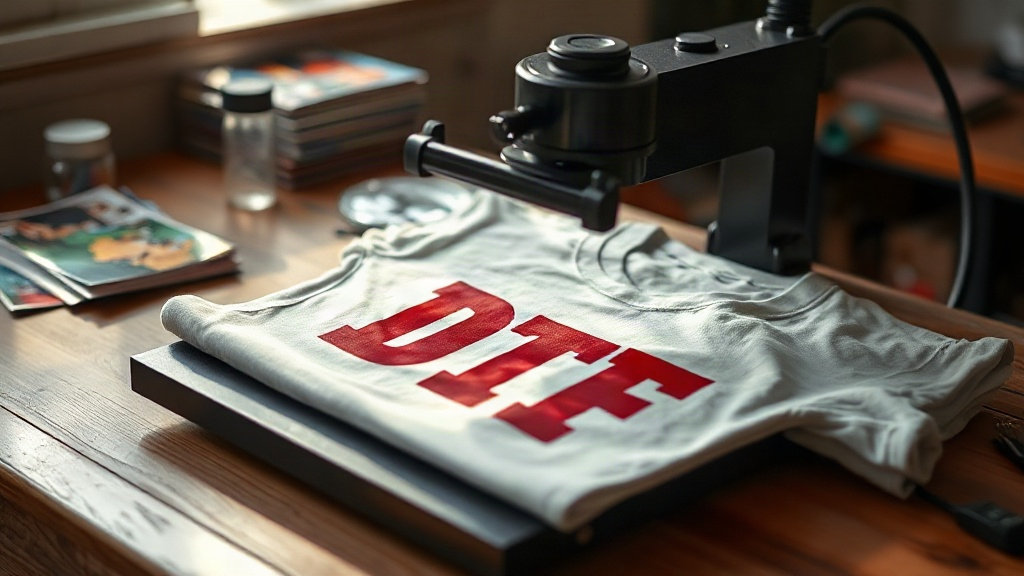
Imagine pressing a vibrant, full-color design onto a cotton tote bag, a polyester jersey, or even a nylon jacket, all with the same easy process. That's the promise of DTF transfers, a digital printing technology that's rapidly becoming a favorite among crafters and commercial printers alike. Unlike methods that require special coatings or fabric restrictions, DTF opens up a world of possibilities. In this guide, I'll walk you through everything you need to know to get started and achieve professional-looking results.
What Are DTF Transfers?
DTF stands for Direct-to-Film. It's a printing process where your design is printed onto a special PET film using water-based pigments, then coated with a hot-melt adhesive powder. After curing, the transfer is ready to be heat-pressed onto a garment. The magic lies in the adhesive: it bonds the ink to the fabric, creating a stretchable, soft print that feels like part of the material.
I remember the first time I used DTF transfers on a batch of 100% cotton t-shirts. I was amazed at how the colors popped without the plasticky feel of vinyl. Since then, I've tested them on blends, spandex, and even leather. The versatility is unmatched.
Why Choose DTF Transfers Over Other Methods?
If you've tried screen printing, heat transfer vinyl (HTV), or DTG, you know each has its quirks. Screen printing is cost-effective for bulk but struggles with complex designs. HTV is great for simple shapes but layering multiple colors is tedious. DTG works well on cotton but often fades on synthetics. DTF sidesteps these issues.
- No fabric restrictions: Works on cotton, polyester, blends, nylon, leather, and more.
- Full-color designs: Print gradients, photos, and fine details without extra cost.
- Durability: With proper application, prints survive dozens of washes without cracking or peeling.
- Soft hand feel: The ink sits on a thin adhesive layer, so it doesn't feel heavy.
- Low setup cost: No screens or plates needed, making short runs affordable.
For a small business like mine, DTF meant I could offer custom apparel without investing in expensive equipment. It leveled the playing field.
The DTF Transfer Process Step by Step
Getting started with DTF transfers requires a few key supplies: a DTF printer (or access to a service), PET film, hot-melt powder, a heat press, and a curing oven or heat gun. Here's how it all comes together.
1. Design Preparation
Start with a high-resolution image. Vector files are ideal, but 300 DPI PNGs work well. Remember that DTF prints white ink as a base, so your design should have a transparent background. If you're using software like Photoshop, remove the background and save as PNG.
2. Printing
Load the PET film into your DTF printer. The printer lays down a layer of white ink, followed by CMYK colors. Some printers also add a protective varnish. The film is coated to release the ink later. I always do a test print to check for banding or color shifts.
3. Powdering
While the ink is still wet, sprinkle hot-melt adhesive powder over the print. Shake off the excess. You want an even coat that sticks to the ink but doesn't clump. A powder shaker helps, but you can also use a spoon and a tray.
4. Curing
Curing melts the powder into a smooth adhesive layer. You can use a curing oven at 320°F (160°C) for 2-3 minutes, or a heat press with light pressure for 30-60 seconds. Don't skip this step; undercured powder leads to poor adhesion.
5. Heat Pressing
Set your heat press to 325°F (163°C) with medium pressure. Place the transfer on the garment, cover with a Teflon sheet or parchment paper, and press for 15-20 seconds. Peel the film while it's warm (or cold, depending on the film type). I prefer warm peel for most fabrics.
6. Post-Pressing
For extra durability, especially on stretchy fabrics, press again for 5-10 seconds with a Teflon sheet. This ensures the adhesive fully penetrates the fibers.
Common Mistakes to Avoid
Even seasoned crafters run into issues. Here are pitfalls I've learned the hard way:
- Insufficient pressure: If the transfer peels off after washing, your pressure was too low. Increase it gradually.
- Wrong temperature: Too hot and the film curls; too cold and the adhesive doesn't activate. Use an infrared thermometer to verify.
- Uneven powdering: Missed spots cause flaking. Always inspect the powder coat under good light.
- Skipping pre-pressing: Always pre-press the garment for 5 seconds to remove moisture and wrinkles.
- Peeling too soon or too late: Follow the film manufacturer's instructions. Most DTF films are warm peel, but some are cold peel.
DTF vs. DTG vs. Screen Printing: Which Is Right for You?
Choosing a decoration method depends on your fabric, design, quantity, and budget. Here's a quick comparison:
- DTF: Best for complex, full-color designs on any fabric; low minimums; moderate cost per print.
- DTG: Ideal for 100% cotton; eco-friendly inks; higher cost per item; limited on synthetics.
- Screen Printing: Most economical for large orders of simple designs; setup costs; limited colors.
For a one-off custom hoodie with a photographic print, DTF wins. For 500 plain t-shirts with a one-color logo, screen printing is cheaper. Know your needs.
Applications Beyond T-Shirts
DTF transfers aren't just for apparel. I've used them on:
- Canvas shoes: Add custom designs to sneakers.
- Backpacks: Personalize nylon or canvas bags.
- Home decor: Pillows, aprons, and even tote bags.
- Promotional items: Branded mouse pads, lanyards, and more.
The key is to test on a small area first. Some heavily textured fabrics may require extra adhesive or a different film.
Frequently Asked Questions
How long do DTF transfers last?
With proper application and care, DTF prints can last 50+ washes. Wash inside out in cold water and avoid bleach and high heat in the dryer.
Can I use DTF transfers on 100% polyester?
Yes, DTF works great on polyester. In fact, it often adheres better to synthetics than DTG. Just use a lower temperature (around 300°F) to prevent scorching.
Do I need a special printer for DTF?
You need a DTF printer that uses pigment inks and a white ink channel. Converted Epson printers are popular, but you can also outsource printing to a DTF service.
What is the difference between DTF and DTG?
DTG prints directly onto the garment, while DTF prints onto a film that is then transferred. DTF works on more fabrics and produces more durable prints on synthetics, but DTG has a softer feel on cotton.
How do I store unused DTF transfers?
Keep them in a cool, dry place away from direct sunlight. Place them in a sealed bag to prevent dust and moisture. They can last for months if stored properly.
Final Thoughts
DTF transfers have revolutionized the custom apparel industry by making high-quality, full-color printing accessible to everyone. Whether you're a hobbyist or a business owner, mastering this technique can open up new creative and revenue opportunities. Remember to practice, experiment with different fabrics, and always follow the manufacturer's guidelines. With a bit of patience, you'll be producing stunning, wash-resistant prints in no time.