
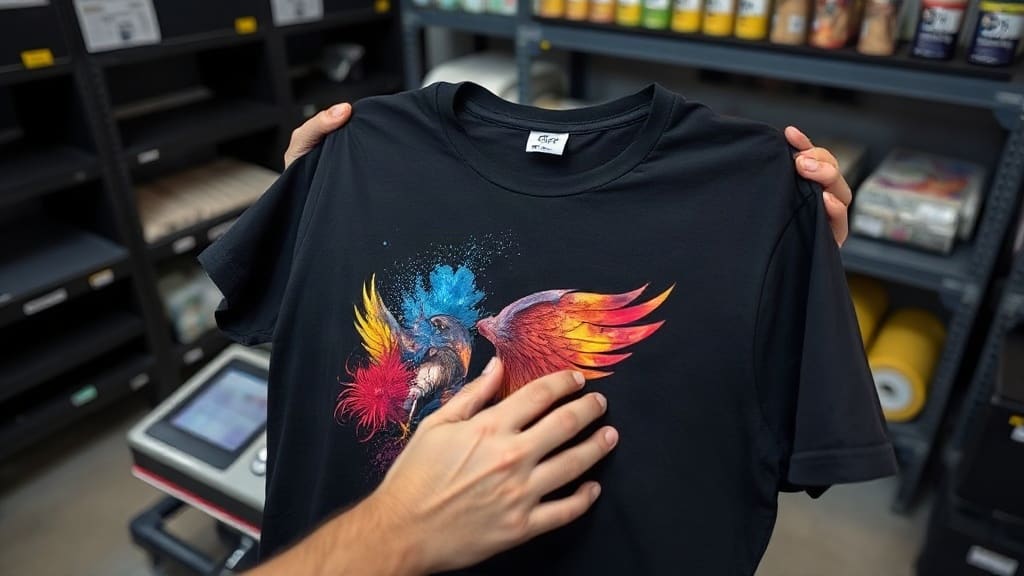
When you're starting a custom apparel business or need a quick batch of printed designs, the search for reliable DTF transfers often begins with a phrase: dtf transfers near me. It's a natural instinct to want a local supplier, especially when you're on a deadline or want to see samples before committing. But proximity isn't everything. The quality of DTF (Direct to Film) transfers can vary dramatically from one provider to another, even within the same city. In this guide, I'll walk you through what actually matters when choosing a local DTF provider, based on my years of experience in the printing industry and countless hours comparing shops. I've learned the hard way that a beautiful website or a friendly voice on the phone doesn't guarantee a flawless transfer. Let's break down the key factors that will save you time, money, and frustration.
Why Choosing the Right DTF Provider Matters
DTF printing has revolutionized the custom apparel industry. Unlike traditional screen printing, DTF allows for full-color, highly detailed prints on a variety of fabrics, including cotton, polyester, and blends, without the need for complicated setups. However, the technology is only as good as the people using it. A poor-quality DTF transfer can crack, peel, or fade after just a few washes, leaving your customers disappointed and your reputation tarnished. On the other hand, a top-notch provider produces transfers that feel soft, stretch with the fabric, and maintain their vibrant colors wash after wash. So, when you search for dtf transfers near me, you're not just looking for a convenience, you're looking for a partner who understands the nuances of the process.
Key Factors to Evaluate Local DTF Providers
1. Print Quality and Resolution
The first thing to check is the print quality. Ask to see physical samples, not just digital mockups. Look for sharp edges, deep blacks, and smooth gradients. A common issue with inferior DTF transfers is a gritty texture or a rough edge, which comes from poor powder application or low-resolution printing. Hold the sample up to the light and inspect it closely. The film should be clear, and the printed design should be vibrant with no visible banding or color inconsistencies.
2. Adhesive Powder and Durability
The adhesive powder is what makes the transfer stick to the fabric. High-quality powders are finely milled and melt evenly, creating a strong bond that withstands washing. Ask the provider what type of powder they use and whether they've tested their transfers for durability. A reputable shop will gladly share their wash test results. Look for transfers that have been tested for at least 20 to 30 wash cycles without significant fading or cracking. If a provider can't give you clear answers about their powder and testing, that's a red flag.
3. Film Thickness and Feel
Another critical factor is the feel of the final print on the garment. Some DTF transfers end up with a thick, plastic-like layer that feels heavy and uncomfortable. Quality transfers have a soft hand feel, almost like the design is part of the fabric. Ask to feel a pressed sample. It should be flexible and not crack when you bend it. The thickness is largely determined by the amount of adhesive and the quality of the laminate. A seasoned provider will have fine-tuned their process to achieve that perfect balance.
4. Turnaround Time and Communication
When you're on a deadline, turnaround time is crucial. Local providers often promise quick delivery, but you need to confirm their actual capacity. Ask about their typical lead times and whether they offer rush orders. Also, pay attention to their communication. Do they respond quickly to your inquiry? Are they transparent about their process? Good communication is a sign of a professional operation. You don't want to be left in the dark when your order is delayed.
5. Pricing and Minimum Order Quantities
Pricing is obviously important, but don't be swayed by the lowest price alone. Very cheap transfers are often cheap for a reason: low-quality materials, rushed production, or inexperienced staff. Compare prices among several local providers and ask about their minimum order quantities. Some shops have no minimums, which is great for small runs, while others require a bulk order to get a good rate. Calculate the total cost per transfer, including any setup fees or shipping if you're not picking up. Remember that higher quality transfers might cost a bit more upfront but will save you money in the long run by reducing returns and increasing customer satisfaction.
Common Mistakes to Avoid When Choosing a DTF Provider
1. Ignoring White Ink Quality
White ink is the foundation of DTF printing, as it creates the opaque base that allows colors to pop on dark garments. Poor white ink can result in a grayish or transparent base, ruining the design. Ask the provider about their white ink coverage and whether they print a white underbase on every transfer. Look for samples on dark fabric to see if the white is truly opaque and bright. If the white looks thin or yellowed, go elsewhere.
2. Overlooking Pre-Press Instructions
Even the best DTF transfer will fail if not pressed correctly. A good provider will give you detailed instructions on temperature, pressure, and pressing time for their specific transfers. If they don't offer clear guidance, they might not be confident in their product's consistency. Make sure you understand the recommended settings and test on a scrap fabric before pressing your actual garments.
3. Assuming All Providers Offer the Same Quality
Just because a shop has DTF equipment doesn't mean they produce identical results. The difference in quality comes from the skill of the operators, the maintenance of the machines, and the quality of the consumables. Always ask for references or check online reviews from other small business owners. A quick search for dtf transfers near me might yield many options, but reading reviews and joining local printing groups can give you real insights.
How to Test a DTF Provider's Quality
Once you've narrowed down your list of potential providers, it's time to put them to the test. Order a small sample batch with a variety of designs: some with fine lines, some with bold colors, and some with gradients. Press them onto different types of fabric, including cotton and polyester. Wash them repeatedly to see how they hold up. This might cost a little time and money, but it's the best way to avoid a costly mistake. I recommend doing this with at least two or three providers before committing to a larger order.
Conclusion
When you search for dtf transfers near me, remember that you're looking for a partner who can deliver quality and consistency. Take the time to evaluate print quality, durability, communication, and pricing. Avoid the common pitfalls of ignoring white ink quality or overlooking pre-press instructions. Testing your top candidates with a sample order is the surest way to find a provider that meets your standards. With the right DTF provider, you'll be able to offer your customers vibrant, durable custom apparel that keeps them coming back for more.
Frequently Asked Questions
How do I find reliable DTF transfers near me?
Start by searching online and reading reviews from other business owners. Look for providers who are transparent about their process and willing to share samples. Join local printing or apparel groups on social media to ask for recommendations. Once you have a few candidates, order test samples and run them through a wash test to see which one performs best.
What is the average turnaround time for DTF transfers?
Turnaround times vary by provider and order size. Generally, you can expect 2 to 5 business days for standard orders, with rush options available for an extra fee. Always confirm the exact lead time before placing your order, and factor in shipping if you're not picking up locally.
Can I use DTF transfers on both cotton and polyester?
Yes, DTF transfers work on a wide range of fabrics, including cotton, polyester, and blends. However, the pressing temperature and time may vary depending on the fabric type. High-quality transfers are designed to adhere well to both natural and synthetic fibers, but it's always best to test on a sample piece first.
How many washes can a DTF transfer withstand?
With proper pressing and care, a high-quality DTF transfer can withstand 30 to 50 washes or more without significant fading or cracking. The durability depends on the quality of the adhesive powder and the pressing process. Always follow the care instructions, such as washing inside out in cold water and avoiding high heat in the dryer.
What should I prepare for my local DTF provider to get accurate quotes?
To get an accurate quote, prepare your design files in high-resolution format (PNG or PDF) with transparent backgrounds if possible. Specify the total quantity, the number of unique designs, and the sizes you need. Also, mention the type of fabric you'll be printing on, as this can affect the price and turnaround.